The Key Differences Between Casement and Double Hung Windows
York Region winters are hard on windows. A drafty window frame in January adds real money to your heating bill, and by the time you feel the cold air coming in, you’ve already been paying for it. If you’re shopping for replacement windows in Markham, the choice between casement windows vs double hung windows is one of the most common decisions homeowners face. Both work well. They just work differently.
This guide will help Markham homeowners compare casement windows vs double hung windows, focusing on energy efficiency, cost, maintenance, and suitability for different home styles in the York Region climate. Whether you’re looking to improve comfort, lower your energy bills, or update the look of your home, understanding the differences between these two popular window types will help you make the best choice for your needs.
Casement vs. Double Hung: Energy Efficiency in a Markham Winter
Casement windows are generally more energy efficient than double hung windows. When a casement window is closed and latched, the sash presses firmly against the window frame on all four sides, creating a tight seal that makes it one of the best high-efficiency window options available. It works the same way a door does when you push it shut. There’s almost no gap for air to get through.
Double hung windows slide within a track. That track needs a bit of clearance for the sash to move, and over time, that gap can let air in or out. Modern double hung windows use compression seals and weather stripping to reduce this, and a well-made double hung window performs well. But a casement window still has a structural advantage when it comes to cold-air infiltration.
In Markham, that matters. We get serious freeze-thaw cycling from November through March. Repeated expansion and contraction stresses window seals, and older windows often show it first in the upper sash area, where double hung windows are most vulnerable. If your heating bills have been climbing, or you can feel a draft near your windows in January, it’s worth asking whether the window design is part of the problem and whether repair or full window replacement makes the most sense.
For either window type, low-e glass is worth considering. Low-e stands for low-emissivity. It’s a thin metallic coating on the glass that reflects heat back into the room during winter and blocks solar heat in summer. You can order both casement windows and double hung windows with low-e glass, and both styles can deliver excellent energy efficiency when paired with efficient glass packages and properly installed frames and sashes.
What Is Better, Casement or Double Hung?
Casement windows have the edge for energy efficiency in cold climates, while double hung windows offer more flexibility for ventilation and are generally easier to maintain.
The better choice depends on the room, your priorities, and your specific needs. If your main concern is air sealing and keeping heat in during a Markham winter, casement windows perform better on that specific measure. If you want easier cleaning, lower upfront cost, and more control over airflow through different parts of the window, double hung windows are a strong choice. Most of the time, the right answer depends on where in the house the window is going and what helps you decide between performance, maintenance, and ventilation.
Ventilation and Airflow: How Each Window Style Performs
Casement windows open wide, and when they’re angled into the wind, they act almost like a scoop, pulling the breeze directly into the room. If you have a window that faces the prevailing wind and you want maximum airflow, a casement window does that well. Casement windows work well in hard-to-reach spots because they open easily with one hand using a crank, while double hung windows usually require two hands to move the sashes.
Double hung windows give you more control. Open the top sash and warm air escapes from near the ceiling. Open the lower sash and cooler air comes in at floor level. In Markham’s warmer months, that kind of cross-ventilation is genuinely useful, especially in bedrooms where you might want airflow overnight without fully opening the window.
One thing to keep in mind: because casement windows open outward, they need clear space on the exterior. If you have a deck railing, a bush, or a garden bed right outside the window, that outward swing can be an issue. Double hung windows don’t have that problem since they stay within the frame when open.
Window Style and Home Type: Which One Fits Your House?
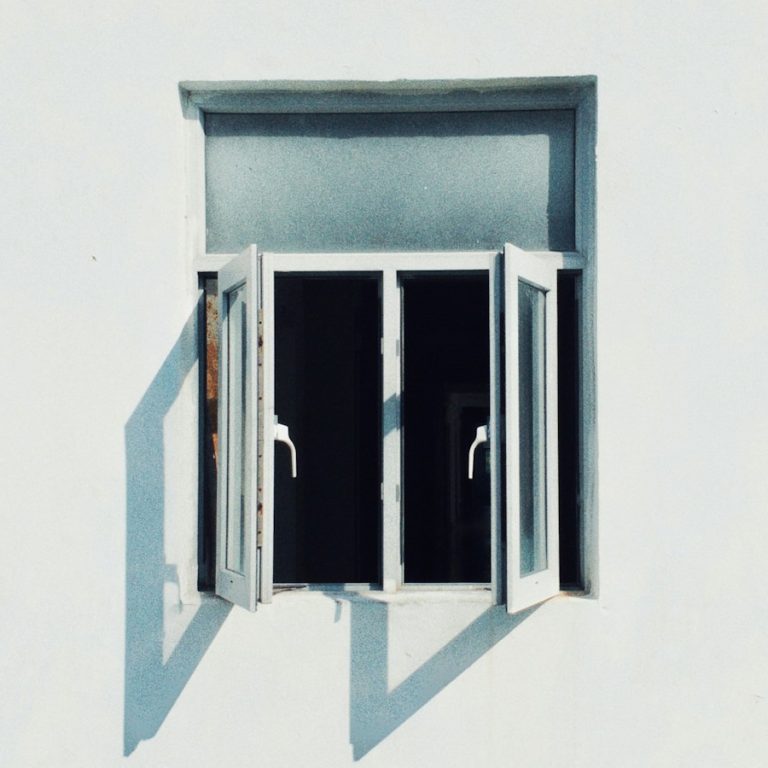
Casement windows suit modern and contemporary homes.
The clean lines and uninterrupted glass fit well with open-concept builds, newer construction in Cornell or Cathedraltown, and any home that leans toward a minimal look, because casement windows offer a more contemporary appearance while double hung windows give a more traditional look. Without a check rail in the middle, you get a cleaner sightline to the yard. Among common window styles, that simpler profile also helps support a modern exterior, similar to the updated exteriors you’ll see in our home improvement project examples around Markham.
Double hung windows are commonly used in traditional homes, and they fit a huge portion of Markham’s housing stock.
The older bungalows near Unionville, the 1990s two-storeys in Berczy Village, and the post-war semis closer to the 407 corridor all tend to look right with double hung windows. The horizontal rail dividing the upper and lower sash gives the window that classic proportioned look that matches those home styles well.
Both window types come with or without grids. Both work in vinyl, wood, aluminum, or fiberglass frames. You’re not locked into one look just because of the operating style. It’s worth thinking about what fits the existing architecture of your house before making a decision based on function alone, and how your windows will coordinate with other exterior home improvement services like doors, roofing, and siding.
Are Casement Windows Outdated?
No, casement windows are not outdated.
They’ve actually become more popular in new construction and renovations across the GTA over the past decade, largely because of their energy performance, clean look in modern homes and overall durability depending on the frame material and exposure. Older casement windows got a bad reputation for failing cranks, but modern hardware is far more reliable, although double hung windows are still available in a wider selection and generally have a lower hardware failure rate than casements over time. If you’ve avoided casements because of a bad experience with an older home, it’s worth giving the current products a fresh look.
Ease of Use, Cleaning, and Maintenance
Casement windows are easier to open with one hand, which is why they’re a popular choice above a kitchen sink. You turn the crank and the window swings out without having to reach or push, which also improves access for people with limited mobility since there is less need to pull on the sash. For windows you open every day, that convenience adds up.
Cleaning is a different story. Double hung windows with a tilt-in window sash let you clean the exterior glass from inside the house, which is a real benefit if the window is on an upper floor. Casement windows are easy to clean on the interior side, but the exterior glass requires either reaching through from inside or going outside, depending on the window design. Double hung windows can also work with window air conditioners, and their screens are typically mounted on the exterior, where they may collect more dirt over time.
The crank mechanism on casement windows is the first thing that tends to wear out. In Markham’s climate, where windows sit closed all winter and get heavy use in spring and fall, the hardware goes through a lot of seasonal cycling. A crank that stiffens or skips is not a disaster, it can usually be replaced, but it’s something to be aware of. Double hung windows have a spring balance system that can weaken over time, causing the lower sash to drop. Both issues are fixable, but both are worth asking about when you’re shopping for windows and evaluating qualified vinyl window installers.
What Are the Disadvantages of Casement Windows?
The main drawbacks of casement windows are the crank mechanism that can fail over time, the inability to fit a standard window air conditioner, and the need for clear outdoor space to open fully.
If you have a deck, a patio, or shrubbery close to the window, the outward swing can hit something or make opening the window awkward. In Markham homes with smaller side yards or tight back decks, that’s worth planning around.
Window air conditioners are a bigger issue than people expect. A standard window AC unit fits in the bottom sash of a double hung window. It does not fit in a casement window. If you rely on window AC units for cooling in the summer, switching to casements in those rooms means switching to a different cooling solution too.
One more thing: if you have a long wall with several windows side by side, opening a large number of casement windows individually can be inconvenient. On a warm spring morning when you want every window open, that gets tedious. Double hung windows you can flip open by hand in a few seconds.
Cost Comparison: Casement Windows vs. Double Hung Windows
Casement windows cost more than double hung windows, mainly because of the crank mechanism and the more complex hardware involved in manufacturing them. Double hung windows are produced in higher volume, which keeps the price lower, especially when you work with a specialist in window replacement in Markham.
As a general reference for the GTA as of early 2026, vinyl double hung windows run roughly $400 to $700 per window installed. Vinyl casement windows start around $500 to $900 per window installed, depending on size and glazing options. Those are ballpark figures and vary by supplier, window size, and job complexity.
At Edmunds, we can give you a firm quote based on your specific windows once we see the openings.
The energy savings from a tighter-sealing casement window can help reduce energy costs over time, especially if you’re replacing several windows in the main living areas of a Markham home. Whether the math works in your favour depends on how old your current windows are and how much air they’re currently letting through.
What Is the Cheapest Time of Year to Replace Windows?
Late fall and early winter are typically the slowest period for window contractors in the GTA, and that can mean better scheduling and sometimes lower pricing.
Most homeowners book window replacements in spring and summer, which means September and October are when contractors have more availability. Booking in October for a November installation often gives you more flexibility on timing than calling in April when everyone else is calling too, and there are strong reasons why winter can be the best time to install new windows and doors.
There’s a practical reason to get windows replaced before winter: new windows installed before November lock in energy savings for the full heating season. Waiting until spring means paying for a drafty winter first.
So Which Window Should You Choose for Your Markham Home?
If energy performance in a cold climate is your top priority, casement windows have a real advantage.
The tight four-sided seal holds up better against York Region winters than the sliding sash design of a double hung window. They also improve security because the locking design and compression seal are harder to force than a typical sliding sash.
If cost, maintenance simplicity, and ventilation control matter more to you, double hung windows are a solid and proven choice.
They’re lower in price, easier to clean from inside the house, and more flexible in terms of how you manage airflow. Benefits that many homeowners highlight in their window replacement testimonials.
Many Markham homeowners use both styles in the same house. Casement windows in the main living areas and kitchen, where energy efficiency matters most and the sash can read more like a picture window for a clearer view, and double hung windows in bedrooms and bathrooms, where ventilation control and easier cleaning are more useful. That kind of room-by-room approach often makes more sense than going all one way throughout the house.
Talk to Edmunds Before You Buy
Not sure which window is the right call for your home? Give us a call and we can take a look. At Edmunds Home Improvements, we’ve been installing windows across Markham and the GTA for over 30 years and we’re happy to give you a straight answer before you commit to anything. You can use our contact page for Edmunds Home Improvements for a free quote.

Steve Gibson
President & CEO, Edmunds Home Improvements
Steve Gibson has over 35 years of hands-on experience in home renovation across
Markham and the Greater Toronto Area. As President and CEO of Edmunds Home
Improvements — a company serving the community since 1947 — Steve specializes in
roofing installation and repair, siding, window replacement and installation, and
door installation. A longtime local resident, he took ownership of Edmunds in 1989
and has built the company into one of the GTA’s most trusted exterior renovation
contractors. Edmunds is fully insured (WSIB and $5 million public liability) and
is a BBB Accredited Business and ENERGY STAR partner.
- Roofing installation and repair
- Siding installation
- Window replacement and installation
- Door installation
- Eavestrough and soffit installation
- Exterior home renovation (Markham, ON and Greater Toronto Area)
3400 14th Ave, Unit #28,
Markham,
ON
L3R 0H7