

If you’ve lived in Markham for any length of time, you know summer storms can roll in fast. In recent years, the Greater Toronto Area has seen more frequent and more intense hailstorms, and homeowners across York Region have felt the impact. In the summer of 2023 alone, Environment Canada issued multiple severe thunderstorm warnings for the GTA, with some storms producing hailstones up to the size of a golf ball. When that kind of weather hits, your roof is almost always the first thing in its path.
The tricky part about hail damage is that it rarely looks dramatic from the ground. There’s no obvious hole, no waterfall coming through your ceiling. The storm passes, everything looks fine, and life goes on. But up on your roof, the damage may already be quietly shortening the life of your shingles, creating spots where moisture can get in, and setting you up for a much bigger problem months down the road.
This guide is for Markham homeowners who want straight answers: how to spot a hail damaged roof, what to do right after a storm, how to handle your insurance claim, and what your repair or replacement options actually look like. Managing hail damage roof repair in Markham doesn’t have to be stressful if you know the steps.
One question we hear a lot is whether it’s worth filing an insurance claim for hail damage. In most cases, the answer is yes. Hail damage is covered under most standard Canadian home insurance policies, and the cost of repairs almost always exceeds the deductible. We’ll walk through exactly how to handle that process below.
What Hail Actually Does to a Roof
Size, Speed, and Wind Direction
Hailstones range from marble-sized up to golf ball size or larger, but size alone doesn’t tell the whole story. Wind speed, the angle of impact, and how long the storm lasts all play a role in how much roof damage actually occurs. A fast-moving storm with strong crosswinds and smaller hail can sometimes cause more damage than a slower storm with bigger stones, because the hail is hitting your roof at a sharper angle with more force.
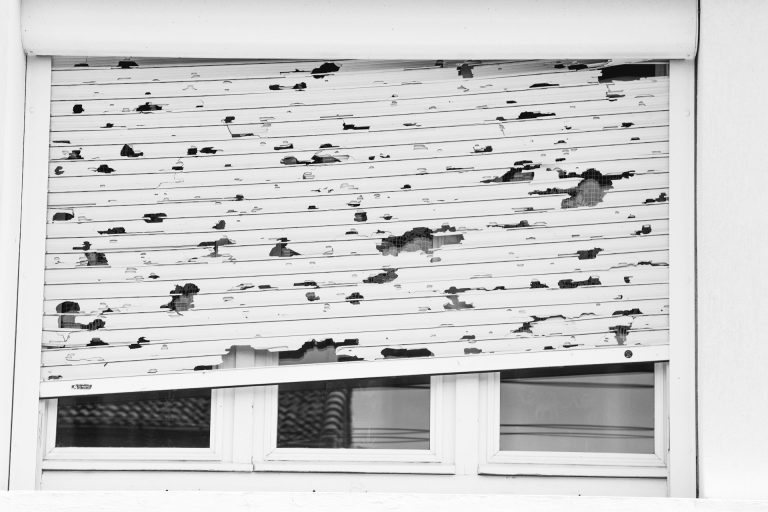
On asphalt shingles, hail typically shows up as random speckled indentations, bruised patches, or missing granules. On asphalt shingles, hail damage may appear as granule loss, bruising, cracking, or punctures. Those granules are the small protective coating that shields your shingles from UV rays, and once they’re knocked loose, your shingles start aging much faster than they should. On metal roofs, visible craters or dimples indicate hail impact. Gutters, siding, and windows often show dents too, which is helpful because it confirms the storm actually made contact with your home, and significant gutter damage is a good reason to look into eavestrough repair or replacement. Damaged glass or frames are also a sign that you may need to think about whether to repair or replace broken windows or even plan for full window installation and replacement services, including dedicated window replacement in Markham.
What makes hail damage particularly sneaky is that it rarely causes an immediate leak. The structural integrity of the roof can be seriously weakened before you ever notice water damage inside your home. By the time you do, moisture has often already worked its way into the roof structure, leading to rot, mold growth, and repairs that cost far more than they would have early on, especially when you consider how hail can shorten roof lifespan in Markham’s climate.
How to Spot Hail Damage on Your Roof
Start from the Ground
After a hailstorm, begin your inspection from the ground before going anywhere near a ladder. Walk the full perimeter of your home and look for obvious signs of impact: dents in gutters, dings or cracks in your siding, broken or cracked windows, and debris spread across your yard. If your patio furniture has taken some hits, there’s a very good chance your roof has too.
A pair of binoculars helps here. Use them to get a closer look at your shingles from a safe distance. Look for patches that appear darker or uneven in texture, since that’s often where granules have been knocked off. Missing shingles are an obvious red flag, but even shingles that look intact from the ground can have bruising or micro-cracks that won’t be visible without a closer inspection.
Don’t overlook your gutters. Granule buildup collecting in the gutters after a storm is one of the clearest indicators that your asphalt shingles have taken a beating. You may also notice small circular dents along the gutter edges, which are a direct sign of hail impact and a strong reason to get a professional up on the roof.
When to Get a Professional Roof Inspection
If your ground-level check turns up any of those signs, book a professional inspection right away. Hail damage is notoriously hard to fully assess from the ground, and most insurance companies won’t approve a claim without a documented assessment from a qualified roofing contractor. Some hail damage is not immediately visible but can severely shorten the lifespan of your roof, making a professional inspection crucial. A professional can identify damage that’s simply not visible from below, including bruising beneath the shingle surface that shortens your roof’s lifespan even when there’s no active leak yet, and then recommend the right level of roofing repair services in Markham.
Edmunds Home Improvements offers free inspections for Markham homeowners following storm events. Getting a written report from a contractor before you contact your insurance company puts you in a much stronger position when it’s time to file your claim, and it takes the guesswork out of what you’re actually dealing with.
How to Repair Hail Damage on a Roof
Repairing hail damage on a roof follows four core steps: a thorough inspection, proper documentation, coordinating with your insurance company, and then carrying out the actual physical repair work. Homeowners who skip ahead to the repair phase without completing the first three steps often end up with claim complications or out-of-pocket costs they shouldn’t have had to pay.
If your inspection turns up exposed areas, torn shingles, or any openings where water can get in, cover them immediately with a heavy-duty tarp or roofing cement. This keeps further damage from building up while you work through the insurance and contractor process. Don’t wait for perfect weather or a convenient time before protecting your roof.
Not all hail damage calls for a full roof replacement. If the damage is contained to one or two sections and the rest of the roof is in reasonable shape, replacing the affected shingles and flashing may be all that’s needed. Hail damage repairs average around $940, while a full roof replacement installation in the GTA typically runs closer to $9,100, though both figures vary based on roof size, pitch, and the materials you choose.
A good roofing contractor will give you an honest assessment of whether a targeted repair or a full replacement makes more sense for your situation. The age of your roof is a major factor here. If it’s already 15 to 20 years old, putting money into repeated patching often doesn’t make financial sense compared to replacing it now and starting fresh with better materials and ensuring you’re not dealing with counterfeit shingles in Markham.
Hail Damage Roof Repair Checklist
- Professional Inspection: Schedule a qualified roofing contractor to inspect your roof. Some hail damage is hidden and not visible from the ground.
- Document Visible Damage: Take high-resolution photos of all visible damage, including shingles, gutters, siding, and any interior leaks. Clear documentation is essential for insurance claims.
- Insurance Coordination: Contact your insurance company promptly (ideally within 24–48 hours). Confirm your coverage and deductible for hail damage, and provide all documentation.
- Professional Repair: Complete repairs or replacement as recommended by your contractor. Not all hail damage requires a full roof replacement—repairs average $940, while full replacement averages $9,100, depending on the extent of the damage.
Tip: Use tarps or roofing cement to cover large holes or exposed areas until permanent repairs are made.
Can Hail Dents Be Popped Out?
On metal roofs, hail dents cannot typically be “popped out” the way a car panel might be. The metal panels on a roof are fastened in place, and repairs usually involve replacing the affected panel or, in some situations, filling and refinishing the surface. The paintless dent removal methods used on vehicles simply don’t apply to roofing materials.
For siding that has been dented or punctured by hail, the standard fix is panel replacement rather than trying to reshape the damaged section. What matters most on metal roofs isn’t necessarily how the dents look, but whether the impact has compromised the protective coating or created small fractures that allow water to get in over time. A professional inspection will catch issues like those that aren’t obvious to the naked eye, and may also reveal other exterior issues that call for broader home improvement services for your exterior.
Filing Your Insurance Claims for Hail Damage

Document the Damage Right Away
Before you call your insurance provider, document everything you can see. Take clear photos of affected shingles, dents in gutters, damaged siding, and any interior signs of water damage or leaks. High-resolution images matter here because your insurance company will rely on this visual record when reviewing your claim, and gaps in documentation can slow things down or complicate your coverage determination.
Try to photograph the damage the same day or within 24 hours of the storm. If you have earlier photos of your roof from a previous inspection or a real estate listing, dig those out too. Side-by-side comparisons can be very useful when your insurance adjuster is reviewing what’s new versus what was already there before the storm, much like the before-and-after views you’d see in exterior home improvement project examples.
How Quickly Do You Need to File?
Contact your insurance company as soon as possible after a hailstorm, ideally within 24 to 48 hours. Most Canadian insurance providers require you to report storm damage within a set window, which typically runs from six months to 24 months after the event depending on your policy. Even if your policy gives you a longer window, filing sooner is always the better move. Waiting too long can complicate your claim, and any additional damage that occurs in the meantime may not be covered.
When you call, have your policy number ready and be prepared to describe what happened and what damage you’ve noticed. Once storm damage is reported, your insurance company will send an adjuster to inspect the property and review documentation. Providing your photos and the contractor’s written assessment as early as possible will help move the claims process forward.
Understanding Your Insurance Coverage and Deductible
Most standard Canadian home insurance policies include coverage for hail damage under ‘all perils’ or ‘comprehensive’ coverage, but the specifics vary. Before assuming you’re fully covered, check your policy to confirm that hail and storm damage are included, and look at whether your policy carries a separate, higher deductible for wind and hail events. Some policies do, and it’s worth knowing your numbers before you file.
Once your claim is approved, your insurance company will generally provide a payment that covers the repair or replacement cost minus your deductible. Some policies pay out replacement cost value, while others pay actual cash value, which factors in depreciation and is typically lower. Knowing which type of coverage you have ahead of time helps you set realistic expectations before you sign anything with a contractor.
Repair vs. Replacement: What Markham Homeowners Need to Know
The decision between repairing a hail damaged roof or replacing it comes down to two things: the extent of the damage and the age of the roof. If the damage is concentrated in one or two areas and your roof is relatively young, targeted repairs are often the right call. But if the hailstorm caused significant damage across most of the roof surface, or if your roof is already 15 to 20 years old, a full replacement is usually the smarter long-term investment, especially if you’re considering some of the latest innovations in residential roofing.
Your roofing contractor’s assessment is the most reliable guide here. They can tell you whether the shingles that weren’t directly hit are still providing adequate protection, or whether the overall roof hail damage has shortened the lifespan enough to justify starting fresh. The cost difference is real: roughly $940 for localized repairs versus around $9,100 for a full replacement. But a patched-up old roof that needs replacing again in two years isn’t money well spent.
One thing worth noting: when a roof replacement is covered by insurance, it often opens the door to upgrading your materials at the same time. If you’re replacing the roof anyway, that’s a good moment to ask your contractor about more durable options that can hold up better against future storms.
Protecting Your Roof From Future Hail Damage
Hail-Resistant Roofing Materials
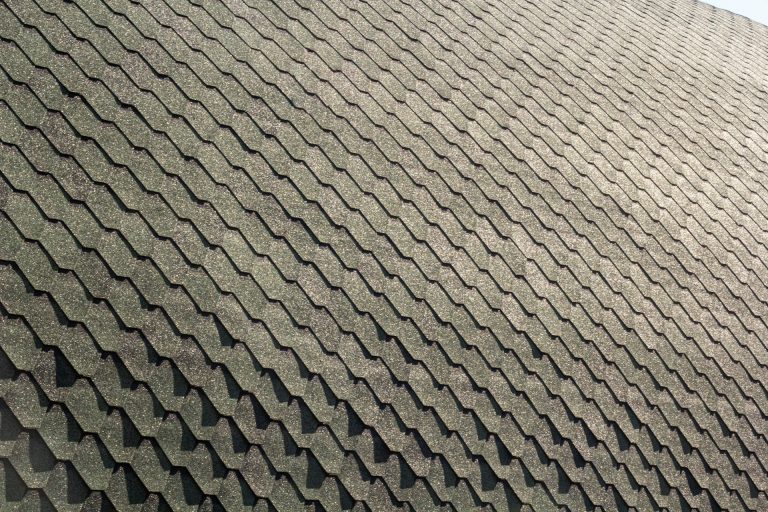
If your roof needs to be replaced after a hail storm, it’s worth talking to your contractor about hail-resistant materials. Metal roofs, slate, and certain Class 4-rated asphalt shingles are designed to handle hail impact significantly better than standard materials. Some of these are rated to withstand hailstones up to 2 inches in diameter without significant damage, which is well above the golf ball size threshold that causes serious problems for standard shingles, and a knowledgeable roof installation contractor in Markham can walk you through the options.
The Class 4 rating is the highest available in impact-resistance testing for roofing materials. It doesn’t make your roof indestructible, but it meaningfully reduces the risk of a future storm causing the same level of damage all over again. For homeowners in Markham and across the GTA who deal with severe storms regularly, upgrading materials during a replacement is a decision that often pays for itself and can significantly extend the overall lifespan of your roof in Markham.
Can Upgrading Save You Money on Insurance?
Installing hail-resistant roofing materials can qualify Markham homeowners for discounts on their insurance premiums. Not every insurance provider offers this automatically, so it’s worth asking your insurer specifically whether Class 4-rated materials would affect your rate. In some cases, the savings over time offset a meaningful chunk of the upgrade cost, making it a financial win beyond just the peace of mind.
A question we sometimes get is whether products like Roof Maxx can be applied by homeowners themselves. Roof Maxx is a soy-based treatment that restores some flexibility to aging asphalt shingles, and while it’s not technically complex to apply, the manufacturer recommends professional application. More importantly, if you’re dealing with active hail damage, Roof Maxx is not the right tool for the job. It’s designed to treat aging, not impact damage. It won’t fix bruised, cracked, or granule-stripped shingles or address problems caused by low‑quality or counterfeit shingles. A professional inspection should always happen before any treatment product is considered.
What to Expect From the Hail Damage Repair Process
Once a hailstorm has passed, the process moves in a predictable order: inspect, document, report to your insurance company, get a contractor assessment, go through the claims process, and then carry out the approved repairs or replacement. Each step builds on the one before it, so cutting corners early tends to cause delays and complications that are easily avoidable.
The timeline from inspection to completed repairs varies. After severe storms, roofing contractors across the GTA tend to book up quickly, so the sooner you get in touch, the better your position in the queue. Your insurance adjuster’s visit typically happens within a few days to a couple of weeks after you file. Once the claim is approved, the contractor can usually schedule the work within a few weeks depending on the season, so it’s wise to reach out through the Edmunds Home Improvements as early as you can.
The key thing to remember is that nothing here needs to be complicated. The homeowners who come through this process with the least stress are the ones who called their roofing contractor and their insurance company within the first day or two of the storm. Everything else falls into place from there.
Final Thoughts on Managing Hail Damage Roof Repair
Managing hail damage roof repair in Markham comes down to one simple principle: act quickly. The longer hail damage sits unaddressed, the more it costs, both in terms of structural deterioration and the risk of complicating your insurance claim. What starts as a $940 repair can become a full replacement problem if water gets into the roof structure over a single winter.
If you’ve been through a hailstorm recently and haven’t had your roof looked at, it’s worth a call. At Edmunds Home Improvements, we’ve been helping Markham homeowners protect their homes through all kinds of weather for over 30 years. We offer free storm damage inspections and can walk you through the insurance process from start to finish, with many clients sharing their experiences on our roofing and exterior testimonials. Reach out to get your roof assessed and get the process moving. Your roof protects everything underneath it, and a fast response after a hailstorm is the best way to keep it that way.