If you’re getting quotes for a new roof in Markham, you’ve probably already noticed the confusion. One contractor comes in at $8,500. Another quotes $14,000 for the same house. Both say they do great work. One guy sends a text estimate. Another shows up with a clipboard and barely looks at the roof. Somewhere in between, you’re supposed to make a decision that protects one of the biggest investments you own.
The playing field is tilted from the start. This guide covers the most important questions to ask a roofing contractor before you hire one, so you can confidently compare quotes and choose the right professional for your home.
This article is for homeowners in Markham and similar regions who want to make informed decisions when hiring a roofing contractor. We’ll cover the essential questions to ask, explain why each matters, and help you avoid common pitfalls.
Asking these questions is crucial for protecting your investment, ensuring your roof is installed correctly, and avoiding costly mistakes or hidden fees down the road.
Essential Roofing Contractor Questions Checklist

Before you sign any contract, use this checklist to compare contractors and quotes. These are the key questions every homeowner should ask:
Are you licensed, insured, and WSIB-cleared?
Can you provide proof of valid general liability insurance and workers’ compensation insurance?
Do you have the required licensing to operate legally in this area?
Will you provide a detailed written quote that specifies all costs?
What exactly is included in your scope of work (materials, labor, disposal, underlayment, flashing, ventilation, decking inspection)?
Who will be the on-site supervisor, and can I have their contact information?
Can you provide three local references from recent projects?
Do you hold any manufacturer certifications for the products you install?
What is the payment schedule?
What warranties do you offer (material and workmanship), and what do they cover?
Will you manage and pull any required local building permits?
What is the realistic project timeline, including start and completion dates?
How do you handle unexpected costs during the project?
How will cleanup be managed during and after the job?
Why These Questions Matter
A bad hire creates costs that don’t show up on the original invoice. Property damage during the job. Warranties voided because the contractor wasn’t certified to install the shingles.
Disposal fees that weren’t in the quote but get added at the end. A workmanship problem that shows up as a leak two winters later, with no one to call back.
Most of these issues trace back to one of two things: a homeowner who didn’t ask enough questions upfront, or a contractor who gave vague answers and got hired anyway.
Common Estimate Omissions
Not all estimates cover the same scope. Some quotes leave out disposal, drip edge, flashing replacement, or ventilation upgrades. The quote looks cheaper. But those items still need to be done, and when they’re missing, they become a negotiation after the crew has started.
That’s never a comfortable position. When you’re evaluating roofing contractors, the right questions help you find out what’s actually included before you’re in that spot.
Evaluating Roofing Contractors: Start Here
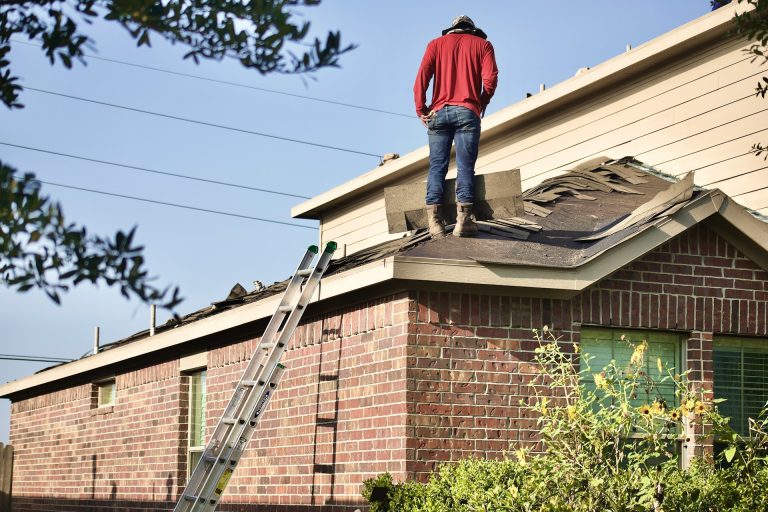
Before you call anyone, write these down. They’re the questions to bring to every estimate so you can compare answers, not just numbers.
Are you licensed, insured, and WSIB-cleared?
Homeowners should ask about licensing and insurance first. Yes, and you should ask for documents that confirm all three, because they’re not the same thing and many homeowners only check for one.
These are the key questions homeowners should use to compare contractors and choose the right roofer, and they help surface common concerns before hiring a professional roofer.
General liability insurance: Roofers should have valid general liability insurance. This covers property damage if something goes wrong on the job. If a crew member puts a ladder through your garage window or damages a fence, liability insurance is how that gets paid for. Ask for the certificate of insurance, with your address on it, so you can verify the contractor’s insurance coverage. Any professional roofing contractor should hand that over without hesitation and explain what the policy does and does not cover.
Workers’ compensation insurance: Workers’ compensation insurance protects you from liability. WSIB clearance is separate. The Workplace Safety and Insurance Board certificate confirms the contractor’s workers are covered if someone is injured on your property. Without it, you could end up liable for an on-site injury. This is an Ontario-specific requirement that U.S.-based checklists miss entirely. Ask for a current WSIB clearance certificate before anyone gets on your roof.
Licensing: Many areas require roofing contractors to have a license, and most roofing contractors need a license to operate legally, so homeowners should still verify those documents.
Combined coverage: Roofers should have valid general liability and worker’s compensation insurance.
On top of that, ask whether the contractor holds any manufacturer certifications. Only about 10% of contractors in North America achieve GAF Certification, for example. Certification means the contractor has been trained by the shingle manufacturer, which matters for warranty coverage.
An improperly installed IKO or CertainTeed shingle can void the manufacturer’s limited warranties. Knowing your contractor is certified to install what they’re proposing is worth confirming upfront.
Who's actually running the job day to day?
You want one named point of contact on site, not a different person every morning. This matters more than it sounds.
When there’s no clear lead on a roofing project, communication breaks down fast. Cleanup happens on no one’s schedule.
Decisions about unexpected finds (rotted decking, for instance) get deferred because the person on site isn’t authorized to make calls. Timelines slip. Ask who the on-site supervisor is, and make sure you have their direct contact information before the crew shows up.
How can you tell a good roofer?
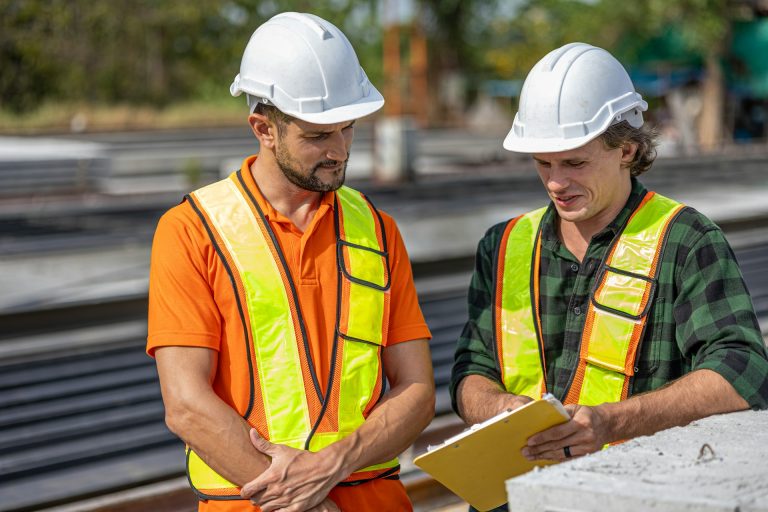
A good roofer gives you direct answers, explains scope without being asked, and hands over documentation without making you feel like you’re being difficult. Many areas require roofing contractors to have a license, and most roofing contractors need a license to operate legally, so homeowners should still verify those documents.
Watch how they respond to your questions. A contractor who gets defensive when you ask about WSIB or liability insurance is a warning sign, since proper coverage also helps protect you from liability and property-damage risk when hiring a professional contractor.
Same goes for one who gives vague timelines or says cleanup ‘depends on how the job goes.’ Good contractors are comfortable being accountable because they plan to follow through.
Ask for three local references from recent projects in York Region, and speak with past customers directly. Then call them. Ask if the crew showed up on time, whether the quote matched the final bill, and whether there were any surprises.
A contractor who has been doing work in Markham for years has a trail of neighbours you can actually talk to, while a new company may still be qualified but has less history to show how it handles problems or honors guarantees. A company that appeared after the last big hailstorm probably doesn’t.
That long-term presence also matters for things like explaining how long a roof lasts in Markham and standing behind warranties over the full lifespan of your roof. You can also check the Better Business Bureau and look for Google reviews.
Both tell you more than the sales pitch, and a reputable roofer should explain these documents and protections clearly when asked.
Questions to Ask When Getting a New Roof
Once you’ve checked credentials, you move to the job itself. These are the most important questions to write down before your first estimate call, especially before any roof installation in Markham.
What questions to ask when getting a new roof?
Ask about scope, materials, timeline, warranty, and who’s on site. These are the key questions and most important questions to ask before a roof installation. You’ve already covered insurance. Now focus on:
Key Questions to Ask:
What exactly is in the scope of work, component by component?
Will the decking be inspected before new shingles go on?
What workmanship warranty do you offer, and how long does it run?
How is attic ventilation being addressed in this project?
Who is pulling permits for the job?
What happens if unexpected costs come up mid-job?
When can you start, and what’s the realistic completion date?
What does the payment schedule look like?
What does your scope of work actually include?
The scope should spell out every component being removed and replaced: underlayment, ice-and-water shield, drip edge, flashing, ridge cap, and vents. Not just ‘shingles and labour.’ These are the key questions to write down before the estimate call:
Scope of Work Checklist:
What exactly are you removing and replacing, and who is responsible for installing each roofing component?
What steps do you take to ensure proper installation and to protect the house, landscaping, and driveway during the job?
Will you manage any required local building permits before work begins?
In Markham, ice-and-water shield at the eaves is a baseline requirement, not an upgrade. The Ontario Building Code, combined with the freeze-thaw conditions we get here every winter, makes it non-negotiable. If a quote doesn’t mention it, that’s a gap worth flagging.
The same goes for the roof deck. A proper tear-off involves pulling back the old shingles and inspecting the plywood underneath. On a lot of the 1980s and 1990s homes in Markham, you’ll find plywood damage caused by years of inadequate attic ventilation.
At Edmunds, decking repairs run about $90 per 4×8 sheet (as of Spring 2026), and they come up on a significant number of older homes. A scope that doesn’t mention decking inspection is skipping a step.
What warranty do you offer on your workmanship?
There are two warranties in play, and you need both explained clearly.
Material warranties are provided by the manufacturer for product defects. If the material fails within the warranty period, that claim goes to the shingle manufacturer.
Workmanship warranties cover installation issues from the contractor. If flashing fails at the chimney because it was installed incorrectly, that’s a workmanship issue. The manufacturer won’t cover it.
Warranties should be clearly explained by the contractor. A good contractor explains warranty coverage clearly to homeowners, including what the workmanship warranty covers, what the manufacturer covers, and what can void either one.
Warranties vary in length and coverage details, so ask specifically: how long does your workmanship warranty run, what does it cover, and can you explain what can void it? Roofing warranties help protect against future repair costs.
Also worth knowing: improper installation can void the manufacturer’s limited warranty entirely. A contractor who isn’t certified to install a specific shingle product may install it anyway, and if something goes wrong, the manufacturer has grounds to refuse the claim. This is why certification matters, because proper installation helps protect the home from leaks and premature damage.
How is payment handled?
Avoid paying 100% upfront.
Full payment on completion is the standard arrangement in this industry.
If a contractor asks for a large payment before work begins, that’s a warning sign.
Paying by credit card is a reasonable precaution because it gives you some recourse if work isn’t completed.
Ask about financing options if you’re planning a full roof installation or replacement and want to spread the cost.
Mention the payment schedule, how the crew plans to keep the job moving, and get it in writing in the contract.
Is a building permit required for my roofing work?
Standard re-roofing in Markham does not require a building permit.
A full tear-off and reshingle, even replacing all the underlayment and flashing, is not a permit-required job under normal circumstances.
If the decking needs to be replaced across a significant area, or if rafters or framing are damaged and need repair, the rules may change.
A good contractor knows the local building codes and will tell you upfront whether any aspect of your specific project triggers a permit requirement.
If a contractor implies that every roof job needs a permit, that’s either misinformation or a sign they’re not as familiar with Markham’s requirements as they should be.
What Are the Most Common Roofing Problems?
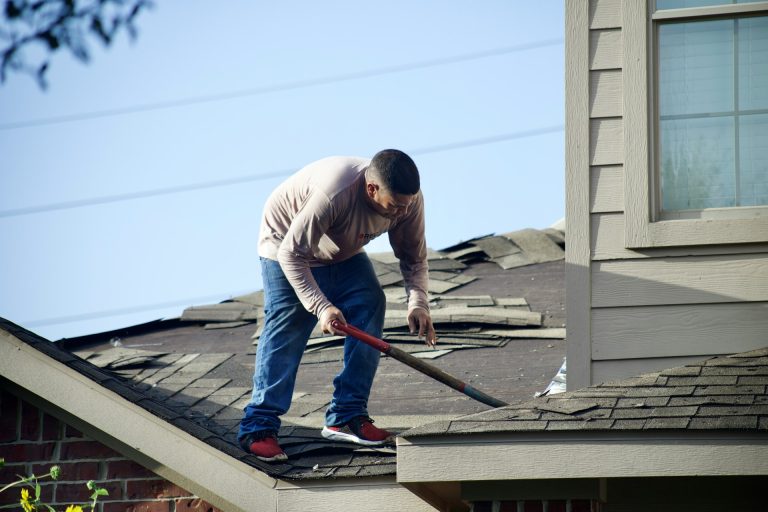
Ice Dams
Ice dams form when heat escapes through a poorly insulated roof, melts the snow at the centre, and that water refreezes at the cold eave edge. It backs up under shingles and eventually works its way inside. You’ll see water stains on the ceiling before you find the source.
The combination of lake-effect snow from Lake Ontario and Lake Simcoe and the temperature swings we get in York Region makes ice damming more likely here than in regions with drier, more stable winters.
Freeze-Thaw Cycling
Freeze-thaw cycling is harder to see until shingles start lifting, cracking, or losing granules at an accelerated rate. Once shingles lose their integrity, the roof deck underneath becomes vulnerable, and prompt roof repair and maintenance helps prevent small issues from turning into full replacements.
Failed Flashing
Failed flashing around chimneys, skylights, or roof valleys is one of the most common sources of leaks we see on roofing work calls in the area. Flashing fails quietly. You don’t notice until the leak shows up inside, which is why timely roofing repair services in Markham can make the difference between a minor fix and major interior damage.
Attic Ventilation
Attic ventilation is tied to nearly all of these. Poor ventilation traps heat and moisture in the attic space. In summer, that heat degrades shingles from underneath. In winter, it causes ice dams. It also dries out the roof deck itself, which is why plywood repairs are so common on older Markham homes. Asking your contractor about how attic ventilation works isn’t a small detail. It’s part of what makes a roofing project last.
Is $30,000 Too Much for a Roof?

In the GTA, $30,000 is within normal range for a full roof replacement on a larger two-storey home with a complex roofline, premium materials, or significant decking repairs. It’s not a number that should raise immediate alarm bells, especially when you compare it against a detailed roof replacement pricing guide for Markham.
Here’s what Edmunds actually charges in Markham right now (spring 2026). For a standard architectural shingle replacement on a typical 1,500 to 2,000 square foot detached home, the median job runs around $9,000.
The realistic range for most homes in York Region is $5,500 to $18,000, depending on size, pitch, complexity, and materials. Pricing per square (100 square feet) runs about $370 for architectural shingles installed. Three-tab shingles come in a bit lower at $350 per square. Premium shingles like IKO Dynasty are $375. Composite and metal options are a different category entirely, running $750 to $950 per square.
Several things push prices higher. A steep pitch (8/12 to 12/12) adds 10 to 20% to the cost. Each additional layer of old roofing that needs to come off adds about 20% per layer. Decking repairs, skylights, and chimneys add complexity.
Tight-access properties like townhome complexes in Cornell or Cathedraltown can add 5 to 10% depending on what protection is required, and if you’re in a townhouse or semi, replacing a shared roof in Markham brings its own coordination and cost considerations. Bungalows typically run about 5% less than two-storeys of the same square footage because access and loading are easier.
If a quote is significantly lower than others, find out why. The most common explanation is that something is missing from the scope. A quote that doesn’t include ice-and-water shield, new drip edge, or proper flashing isn’t cheaper, it’s incomplete.
Replacement costs for items that weren’t done right the first time are always more expensive than including them upfront, which is one reason professional roofing services in Canada stress proper installation and code compliance from day one.
How to Compare Quotes from Roofing Contractors
Comparing quotes is not about finding the lowest number. It’s about figuring out what each quote actually covers and whether you’re comparing the same scope of work, and it can help to look at real exterior home improvement examples in Markham to see how different scopes play out on actual homes.
What Should a Complete Written Quote Include?
A complete written quote should include:
All roofing materials being installed (brand and product name)
Underlayment, ice-and-water shield, drip edge, and flashing
Labour and disposal fees
Attic ventilation assessment or any ventilation work included
Decking inspection and the cost per sheet if repairs are needed
Workmanship warranty terms in writing
Confirmed start date and estimated completion
Payment schedule
How to Compare Quotes Effectively
If Quote A is $3,000 cheaper than Quote B, go line by line and find out what’s different.
Sometimes the right contractor is the one who’s $2,000 more because they included the ventilation work the other quote skipped.
Sometimes two quotes are genuinely comparable and one company is just more efficient. You won’t know until you ask.
Also get the start and completion date confirmed in writing, in the contract.
Contractors who can’t commit to a start date are either overbooked or disorganized. Both are problems you’d rather discover before you sign.
Ready to Hire a Roofing Contractor in Markham?
At Edmunds, we answer every one of these questions before a shovel hits the ground. We’ve been doing roof replacements and exterior renovations in Markham and across York Region for more than 30 years, and our Edmunds Home Improvements company story explains how that experience translates into better results for homeowners. We carry full liability insurance and WSIB coverage, and we’re happy to put both documents in your hands on day one.
We’ll inspect the roof, walk you through exactly what we’re proposing and why, and give you a written quote that spells out every component. If there’s decking damage we find during the tear-off, we call you before we do anything and tell you the cost. No surprises after the fact.
If you have questions about your roof, or you’re ready to get a quote, get a free roofing quote in Markham. We’re happy to walk you through what your project will actually involve, no pressure.

Steve Gibson
President & CEO, Edmunds Home Improvements
Steve Gibson has over 35 years of hands-on experience in home renovation across
Markham and the Greater Toronto Area. As President and CEO of Edmunds Home
Improvements — a company serving the community since 1947 — Steve specializes in
roofing installation and repair, siding, window replacement and installation, and
door installation. A longtime local resident, he took ownership of Edmunds in 1989
and has built the company into one of the GTA’s most trusted exterior renovation
contractors. Edmunds is fully insured (WSIB and $5 million public liability) and
is a BBB Accredited Business and ENERGY STAR partner.
- Roofing installation and repair
- Siding installation
- Window replacement and installation
- Door installation
- Eavestrough and soffit installation
- Exterior home renovation (Markham, ON and Greater Toronto Area)
3400 14th Ave, Unit #28,
Markham,
ON
L3R 0H7