
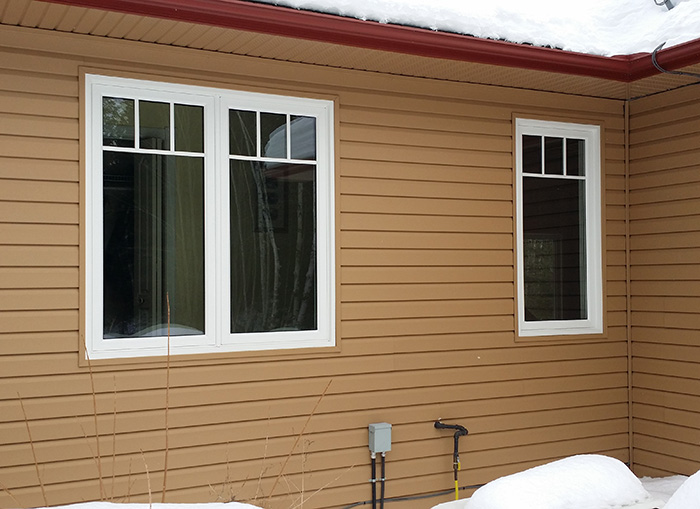
If you’re searching for soundproof windows in Markham, you’re not alone. Soundproof windows disrupt sound waves using specific engineering principles. Noise is one of the most common reasons people call us, and the right window can make a dramatic difference in comfort. A while back we replaced the windows on an older home in Markham that backs onto Highway 7. The owners were constantly dealing with heavy traffic noise. Their original windows were old, inefficient single-pane sliders.
We swapped them for double-pane vinyl casements with mixed glass thickness, argon fill and a brick-to-brick installation. The traffic noise dropped dramatically, and the cost stayed reasonable for the homeowners.
I've been installing windows around York Region for more than 30 years, and noise is one of the most common reasons people call us. This guide is for Markham homeowners considering soundproofing their windows. It covers what soundproof windows can and can't do, which upgrades are worth paying for, and what you should expect to spend in Markham.
Do Soundproof Windows Actually Work?
Yes, soundproof windows work, but no window blocks 100% of outside noise. A well-built noise reduction window can turn a roaring truck into a low hum in the background.
"Soundproof" is really a sales term, and I'd rather be straight with you about that. What you're buying is an acoustic window built to slow sound down and keep it from leaking through gaps. You'll also see the phrase noise cancelling windows online. Windows don't cancel noise the way headphones do. They block it with heavier glass and tight seals.
Now that you know what soundproof windows are and what they can do, let’s look at how noise actually gets into your home.
How Does Noise Get Through a Window?
Noise gets into your home two ways: straight through the glass, and through air gaps around the sash and window frame. Fixing only one of those leaves the other wide open.
Glass vibrates when sound waves hit it, and thin single glass passes a lot of that energy inside. Window makers call this sound transmission. Air leaks are often worse, because they give sound a direct path around the glass entirely. That's why a cheap window installed well can beat an expensive window installed badly.
Understanding how noise enters your home helps you choose the right window features. Next, let’s talk about how window performance is measured.
What Is an STC Rating?
STC ratings (sound transmission class) are lab measurements of how well windows block airborne sound. Higher ratings mean better sound reduction. Most old single-pane windows sit in the mid-20s. Standard double pane windows land around 26, while quality replacement windows typically fall in the 35 to 45 range depending on the glass package. Noise reduction windows with laminated glass can reach the high 30s or low 40s.
The scale isn't linear. A +10 STC change cuts perceived loudness roughly in half, and for many homeowners it's the difference between hearing traffic clearly and barely noticing it. How much you notice depends on the type of noise.
There's a second rating called OITC (outdoor-indoor transmission class). It focuses on low-frequency sound like truck engines, highway rumble and trains. If you live near the 407, the 404 or Highway 7, ask for the OITC rating as well as STC, because traffic noise is mostly low-pitched.
Now that you understand how window ratings work, let's look at the types of noise you might be dealing with.
What Kind of Noise Are You Dealing With?
The right fix depends on the kind of noise coming in, because different types of noise occupy different frequencies, so the best glass and window setup depends on the source; low rumble and voices behave differently. It's worth figuring this out before you spend any money.
Traffic and trucks are mostly low-frequency. Heavier glass and good seals matter most, and OITC is the rating to compare.
Trains and aircraft produce deep, long-lasting rumble. These are the hardest to block and usually call for laminated glass plus a tight installation.
Voices, dogs and lawn equipment sit in the middle range. Better seals and heavy curtains can make a real dent here, even before you replace anything.
Once you know what kind of noise you’re facing, you can choose the right window features. Next, let’s look at a real-world example of how these principles work in practice.
How We Quieted a Highway 7 Home Without Breaking the Budget
Here's exactly what we did on that Highway 7 job, and why each piece mattered. None of it was exotic. It was standard window technology chosen and installed with noise in mind.
Double-Pane Glass With Different Thicknesses
We used a sealed unit with two panes of glass, one 4 mm pane and one 3 mm pane. Window makers call this dissimilar glass thickness. When both panes are the same thickness, they tend to vibrate at the same frequencies and let those sounds through more easily. Mixing the thickness means each pane resists a different range of sound, so asymmetric glass thickness reduces sound transmission more effectively across a wider range of noise.
Argon Gas Between the Panes
The argon fill is there mainly for heat loss. I'll be honest with you here. Argon is a great insulator for our Ontario winters, but its effect on sound is small. Most of the noise reduction on this job came from the glass and the seals.
Casement Windows With Compression Seals
We picked casements because they're among the tightest-sealing window styles for sound reduction. These units had two compression seals and one brush seal. When you crank a casement shut, the sash pulls tight against the frame like a fridge door. Sliding windows are usually less effective because they glide along a track with brush weatherstripping, which is looser than a compression-seal casement, so they typically leak a bit more air.
You can read more about how casements compare in our guide to casement windows vs. double hung.
Brick-to-Brick Installation With High-Density Foam
This is the step a lot of companies skip. We removed the old frames completely, right back to the brick. That let us fill the full gap between the new frame and the rough opening with high-density foam before sealing it. A full tear-out gives you much better control over that joint, which is where hidden air leakage usually lives. Proper installation matters as much for sound performance as the glass does.
If you want the details on how we handle a full tear-out, our window installation page walks through it.
Now that you’ve seen a real example, let’s review the best window options for noise reduction in Markham.
What Are the Best Windows for Noise Reduction?
The best windows for noise reduction usually combine laminated or dissimilar glass with a tight-sealing style like a casement or fixed picture window. The whole assembly matters, though, including the frame and the installation.
Laminated Glass
Laminated windows are one of the most effective upgrades for reducing outside noise. It's two layers of glass bonded with a clear plastic layer called PVB, which soaks up vibration instead of passing it along, and in the right configuration laminated glass can block up to 95% of external noise. A double-pane unit with one laminated pane can reach the high 30s or low 40s on the STC scale. It's also much harder to break, which adds some security. Laminated double-pane windows often cost about $950 each before installation variables.
Triple-Pane Glass
Triple pane glass can help with noise, but triple pane windows don't automatically block the most noise in every configuration. A well-designed double-pane unit with laminated or dissimilar glass can beat a basic triple-pane unit for some types of noise, and triple-pane windows often have STC ratings similar to double-pane windows unless the glass package changes. Where triple pane clearly pays off is heating bills during a Markham winter, and its energy performance can also help reduce drafts, summer heat gain, and hydro bills. If you want noise control and energy efficiency in one window, ask for triple pane with one laminated pane, though laminated triple-pane units typically exceed $1,000 each. We cover the energy side in our post on triple pane windows.
Window Styles That Seal Best
Fixed picture windows and casements are among the best window styles for keeping noise out. Here’s a quick comparison:
Fixed Picture Windows: Don’t open, so there’s no moving sash to leak. Having no moving parts improves sound performance.
Casement Windows: Close against compression seals, pulling tight like a fridge door for excellent sound control.
Awning Windows: Use the same kind of compression seal as casements for better sound control.
Sliding Windows: Glide along a track with brush weatherstripping, which is looser than compression seals and typically leaks more air.
Double-Hung Windows: Have moving parts and meeting rails, usually delivering only modest sound performance. Laminated glass helps, but they rarely match a casement with the same glass.
Other Upgrades for Serious Noise
For homes with heavy noise, a couple of extra options can help, at a higher cost. A wider air space between the panes improves performance against low rumble. Specialty acoustic glass packages from some manufacturers combine laminated layers and mixed thicknesses for the toughest locations.
With the main window types covered, let’s match the right upgrade to your specific situation.
Which Upgrade Should I Choose?
Start with the upgrade that matches your problem, since the cheapest fix is often enough for moderate noise. In many rooms, full replacement is not necessary because secondary soundproof window inserts can be a cost-effective option, and in other cases repairing problem windows instead of replacing them may address drafts, leaks, or rot at a lower cost. Here's how I'd match common situations to a starting point.
Noise Reduction Solutions and Their Best Use Cases
Your situation | Best starting point |
|---|---|
Drafty old window, mild noise | New weatherstripping and sealing, or replacement windows |
Moderate traffic noise | Double-pane with dissimilar glass thickness |
Heavy traffic or truck noise | Laminated glass plus a tight installation |
Train or other low-frequency rumble | Laminated acoustic glass, and compare OITC ratings |
Heritage home or rental | Interior window insert |
Noise plus high heating bills | Triple pane with one laminated pane |
Once you know which upgrade fits your needs, it’s time to consider the costs involved. | |
How Much Do Soundproof Windows Cost in Markham?
Most Markham homeowners pay about $500 to $1,200 per window for a quality replacement window installed, and acoustic upgrades add to that. The final price depends mostly on window size and the glass package you choose.
Installed Cost Estimates for Soundproof Windows in Markham
Option | Approximate installed cost per window |
|---|---|
Standard double-pane casement | $500 to $1,200 |
Triple-pane | About 10% to 15% more than comparable double-pane |
You don't always need to do the whole house. A lot of homeowners start with the bedrooms and living areas that face the road, which keeps the cost down. For a full breakdown of pricing, see our guide on how much it costs to replace a window in Markham. | |
Now that you have a sense of pricing, let’s look at alternatives to full window replacement.
Do Soundproof Window Inserts Really Work?
Yes, soundproof window inserts work well, especially in rooms where you can't replace the window. An insert is a second clear panel mounted inside your existing window, and the wide air gap between the two is what blocks sound. Better soundproof window inserts can achieve STC ratings of 45-50, which is why they can rival some new windows acoustically. For a single room, good window inserts can match or beat the acoustic performance of a new double-pane window for sound reduction.
Inserts make sense for renters, heritage homes in areas like Unionville where exterior changes may be limited, and single rooms like a home office. The trade-off is that you have to remove or open the insert whenever you want fresh air. Inserts also don't fix drafts or rot in the original window. If your windows are old and leaky anyway, a full window replacement usually gives you more for your money.
If you’re not ready for new windows or inserts, there are still ways to make your existing windows quieter. Let’s cover those next.
How Can I Soundproof My Existing Windows Without Replacing Them?
You can make existing windows quieter by sealing air leaks first. These steps won't match a new acoustic window, but they help.
Step-by-Step Air Sealing
Replace worn or flattened weatherstripping on every sash.
Re-caulk the outside perimeter with a flexible acoustic or high-grade exterior sealant.
Check the gap behind the interior trim and fill it with low-expansion foam.
Hang heavy, lined curtains that cover the whole window and overlap the wall.
Old caulking in Ontario takes a beating from freeze-thaw cycles. It shrinks, cracks and pulls away from the brick. Resealing every few years is cheap and helps with noise and drafts.
Other Low-Cost Options
After sealing, soundproof curtains are the next cheapest step. As fabric barriers, they work a bit like light panels and can reduce noise somewhat in the mid-range, like voices, but do very little for low truck rumble.
Window film sold as "noise cancelling" adds only a little mass to existing glass, and in my experience the change is small. Active noise cancellation isn't a practical option for ordinary home windows.
If you've done all of that and the room is still loud, the glass itself is the problem. That's when soundproof window inserts or new windows make sense.
Now that you know how to improve existing windows, let’s see which homes benefit most from soundproof upgrades.
Which Markham Homes Benefit Most From Soundproof Windows?
Homes near busy roads, rail lines and transit corridors get the most out of soundproof windows. In Markham, that includes houses backing onto Highway 7, the 407, the 404 and major arterials like Markham Road, McCowan or Kennedy. Homes near the GO Stouffville line and the CN rail corridor also deal with train noise and vibration. Noise pollution from construction zones and flight paths into Toronto adds to it in some neighbourhoods.
Ontario has a guideline for this. Under the province's environmental noise guideline, NPC-300, the indoor limit for road traffic noise in bedrooms is 40 dBA overnight. When outdoor noise at a new home's windows is high enough, the guideline calls for windows, walls and doors to be designed to meet that indoor level. That planning rule applies to new development, so many older Markham homes near busy roads were never built to it.
If you've added a basement apartment or home office facing the street, those rooms are also good candidates for an upgrade.
Let’s wrap up with a quick summary of your main options and costs for soundproof windows in Markham.
Summary: Soundproof Window Solutions and Costs in Markham
Soundproof windows use engineering principles to disrupt sound waves and reduce noise entering your home.
Best options: Double-pane windows with dissimilar glass, laminated glass, and tight-sealing styles like casement or fixed picture windows.
Window inserts are a cost-effective alternative for single rooms or heritage homes.
DIY improvements: Sealing air leaks and adding heavy curtains can help with moderate noise.
Typical installed costs:
Standard double-pane casement: $500–$1,200 per window
Laminated glass upgrade: about $950 per window
Triple-pane with laminated glass: $1,000+ per window
Start with: The upgrade that matches your noise problem and budget—often, you don’t need to replace every window.
Are Soundproof Windows Worth It?
Soundproof windows are worth it if outside noise is costing you sleep or making it hard to work from home. In noisy locations, these upgrades can also support property value because buyers notice the comfort difference. They're an even better deal if your windows are old and due for replacement anyway, because the acoustic upgrade costs far less as part of a planned job.
They may not be worth it if your street is already quiet or the noise is coming from inside the house. Also look at your windows and doors together. A hollow front door or a worn patio door seal can let in as much outside noise as a window.
The bonus is that the same features that block noise also improve energy efficient performance, so you'll feel fewer drafts in January too.
Get Quieter Windows for Your Markham Home
If road or train noise is keeping you up, book a free consultation and we'll identify why you still hear outside noise and which upgrades will help most. We'll come out, find where the noise is getting in and recommend the right glass and window style for your budget. Learn more about our window replacement in Markham service, or call 905-472-0276 for a free estimate. We're happy to help with any other roofing or home renovation questions too.

Steve Gibson
President & CEO, Edmunds Home Improvements
Steve Gibson has over 35 years of hands-on experience in home renovation across
Markham and the Greater Toronto Area. As President and CEO of Edmunds Home
Improvements — a company serving the community since 1947 — Steve specializes in
roofing installation and repair, siding, window replacement and installation, and
door installation. A longtime local resident, he took ownership of Edmunds in 1989
and has built the company into one of the GTA’s most trusted exterior renovation
contractors. Edmunds is fully insured (WSIB and $5 million public liability) and
is a BBB Accredited Business and ENERGY STAR partner.
- Roofing installation and repair
- Siding installation
- Window replacement and installation
- Door installation
- Eavestrough and soffit installation
- Exterior home renovation (Markham, ON and Greater Toronto Area)
3400 14th Ave, Unit #28,
Markham,
ON
L3R 0H7