If you own a home in Markham, you already know that Ontario weather does not go easy on houses. Winters bring deep freezes, spring brings freeze-thaw cycles that crack and heave everything in sight, and summers can get surprisingly hot and humid. Your siding takes all of that on, year after year, and the choice of building materials plays a significant role in how well your home’s exterior withstands these conditions, so it makes sense to know what you’re working with and how long it can hold up.
So how long does vinyl siding last? For most homes, you can expect vinyl siding to last anywhere from 20 to 40 years. With proper care and a quality install, some homeowners push that out to 50 or even 60 years. Vinyl siding is also considered a cost effective option among building materials for home exteriors, offering affordability and value alongside its durability. But how long your vinyl siding actually lasts depends on several factors, including the grade of material, how well it was installed, and how much attention you give it over the years.
Edmunds Home Improvements has been working on homes in the Markham area for over 30 years, we’ve seen vinyl siding that looked great at 35 years old and vinyl that needed replacing at 5. The difference almost always comes down to a handful of things we will walk through with you.
What Affects the Lifespan of Vinyl Siding?
Quality of Materials
Not all vinyl siding is made the same. Thickness and grade are the two biggest durability factors. Thicker, higher-grade vinyl holds up better against impact, heat, and cold, making these options more durable and providing longer-lasting protection for your home. High-quality vinyl siding also tends to come with UV-resistant coatings that slow down fading and protect the material from sun damage over time. Lower-grade vinyl is more affordable upfront, but it is more prone to cracking, warping, and fading, and it usually needs replacing sooner.
Here is a general guide to expected lifespans by quality level:
Standard vinyl siding: 20 to 30 years
High-quality vinyl siding: 30 to 40 years
Premium vinyl siding: 40 years or more, sometimes 50 to 60 with proper care
Proper Installation
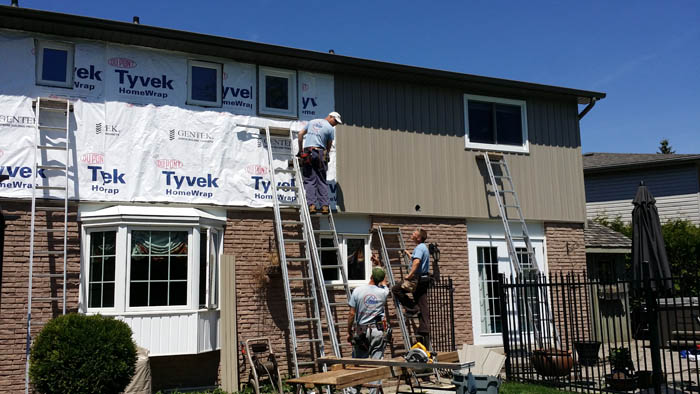
This one matters more than most people realize. Improper installation leads to buckling, warping, and moisture infiltration over time. Vinyl needs room to expand and contract with temperature changes. If panels are nailed too tight, they will buckle in the heat. If they are left too loose, they will rattle and eventually come free. A qualified installer knows how to account for those temperature fluctuations, and it makes a real difference in how long the siding performs. Vinyl siding must be properly installed to ensure maximum durability and lifespan.
I always tell homeowners: the best vinyl product on the market will fail early if it is put up wrong. Proper installation is not just about how it looks on day one.
Does Vinyl Siding Get Brittle with Age?
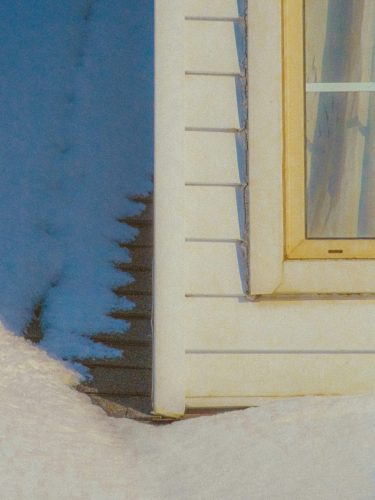
Yes, vinyl siding does get more brittle over time, especially in cold climates like ours. In Markham’s winters, older vinyl can crack under impact from things ranging from ice, hail, to even a well-thrown hockey puck.
Exposure to extreme temperatures can accelerate this process, increasing the risk of cracking and warping. UV exposure also breaks down the material gradually, making it stiffer and less flexible year over year. This is one reason why regular inspections matter: catching early brittleness or hairline cracks before they open up and let water in saves a lot of trouble down the road.
Climate and Ontario Weather
Harsh weather conditions shorten vinyl siding’s lifespan, and Markham gets a full dose of them. Hot summers risk fading and warping. Extreme cold causes brittleness and cracking. High winds and hail can damage panels directly. Extreme weather events such as storms and hail can directly impact the durability of vinyl siding, making it more vulnerable to damage from pests or holes caused by environmental factors.
Homes in milder climates tend to experience fewer siding problems, but in Ontario, you need to account for the full range. That is why proper installation and regular maintenance are even more important here than they would be in, say, coastal British Columbia.
What Is the Downside of Vinyl Siding?
Vinyl siding is affordable and low maintenance, but it does have real limitations worth knowing about. It can warp in extreme heat, especially on south-facing walls that get direct sunlight for most of the day. It is not as rigid as fiber cement or wood, so it can dent or crack on impact. It is also combustible, which matters in certain build contexts. However, modern vinyl siding installation can include insulated panels or materials to improve energy efficiency and help reduce energy costs, while new siding installations can also significantly boost curb appeal, durability, and overall home value for Markham homeowners.
Colour options are wide, but you are generally locked into whatever colour was manufactured since vinyl is not repainted the way wood is, though it can be painted if needed. And despite being fade resistant, heavy UV exposure will eventually wash out the colour over the decades. None of these are dealbreakers for most homeowners, but they are worth weighing against the price advantage.
Maintenance Practices That Extend the Life of Vinyl Siding
Routine Cleaning
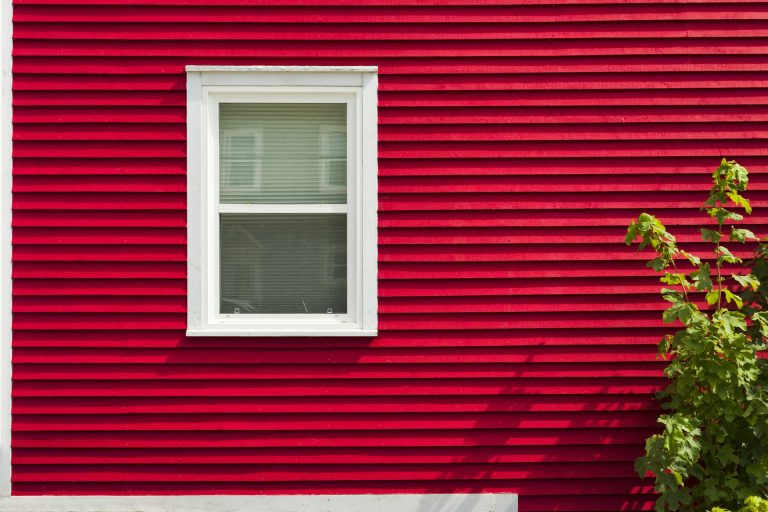
Vinyl siding is genuinely low maintenance compared to wood or fiber cement, but that does not mean no maintenance. Washing the siding once or twice a year removes dirt, pollen, and mildew that cause staining and surface degradation over time. Regular cleaning is essential for maintaining the appearance and durability of vinyl siding. A garden hose, a soft brush, and a mild detergent is all you need for most cleaning jobs. Neglecting upkeep leads to discoloration, surface damage, and premature wear, so a couple of hours a year goes a long way.
A word on pressure washers: you can use one, but keep the pressure low and direct the spray downward. High-pressure washers can force water underneath vinyl siding panels, leading to potential damage, so they should be used with caution. A pressure washer set too high can force water behind the panels and cause moisture damage that you won’t see until it’s a much bigger problem.
Regular Inspections
Inspect the home’s exterior at least once a year, and always after a major storm. Walk the full perimeter and take a close look at what you find. Catching small problems early is almost always cheaper than waiting.
What to check during your annual inspection:
Cracks, gaps, or holes in panels
Warped or buckled sections
Loose panels that shift or flex when touched
Discoloration or severe fading
Bubbling, soft spots, or mold along exterior walls — signs of moisture infiltration
Gaps around windows, doors, and corners where water can enter
Evidence of pest activity such as gnaw marks or entry holes
Damaged panels that may need repair or replacement
Branches or shrubs touching or scraping the siding surface
Keep landscaping trimmed back from the exterior. Branches scraping against panels during wind events can scratch and crack the surface, giving moisture a way in.
Timely Repairs
Small damages (like a cracked panel or a loose section) should be fixed as soon as you spot them. Letting minor issues sit turns into moisture infiltration, mold growth, rot in the structure behind the siding, and openings for pests. The good news is that vinyl panels are designed for individual replacement. You do not need to re-side the entire house because of one damaged section. A contractor can swap out the affected panels and match the colour reasonably well in most cases.
While you’re at it, make sure your gutters and downspouts are clear so water drains away from the walls, and remember that related components like soffit and fascia around the roofline also play a big role in keeping moisture out of your home. Water backing up along the foundation or sitting against the siding accelerates wear and rot.
How Often Should You Change Vinyl Siding?
Most vinyl siding holds up for 20 to 40 years before replacing vinyl siding becomes necessary, and premium products can push well past that with proper care. But the real answer is not just about age — it is about condition. Well-maintained siding at 35 years may still be doing its job just fine. Poorly maintained siding at 20 years may already be letting moisture in.
If damage is widespread across the entire house rather than isolated to a few panels, that is when a full replacement starts to make more financial sense than patching. A local contractor can help you figure out which side of that line you’re on, and working with specialists in siding installation in Markham ensures the replacement is designed for local weather and building conditions.
Signs Your Vinyl Siding Needs to Be Replaced
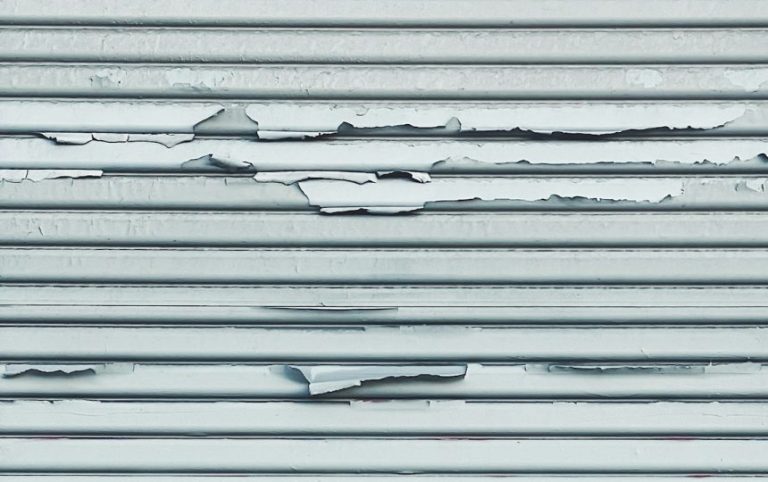
Knowing the warning signs helps you make a smart call before small problems become structural ones. Here is what to watch for:
Cracks, warping, or buckling — These signal that the material has been compromised. Even small cracks let water work its way behind the panels, where it causes rot and mold growth in the structure underneath.
Severe fading or discoloration — Vinyl is designed to be fade resistant, but when the colour becomes significantly washed out or uneven, the protective coating is worn down. That means the material is now more vulnerable to UV and moisture.
Mold, mildew, or rot — Dark stains along the exterior, a musty smell near walls, or bubbling on the surface can all point to moisture sitting behind the siding. This is a structural concern that needs immediate attention.
Rising utility bills — If your heating and cooling costs have gone up without a clear explanation, aging or damaged siding may no longer be insulating the home properly. Good siding plays a real role in energy efficiency, and when it fails, your furnace and air conditioner work harder.
Peeling interior paint or wallpaper — Interior moisture problems can trace directly back to compromised siding on the outside. Water finds the path of least resistance, and it is not always obvious from where.
Pest activity in the walls or attic — Can mice get in under siding? Absolutely, they can. Gaps, cracks, and holes in siding panels are common entry points for mice, rats, insects, and other pests. If you are hearing activity in the walls or finding evidence in the attic, check the exterior carefully for damage.
Tired or dated appearance — If the home’s exterior looks worn out, new siding can make a significant difference in curb appeal and resale value, even if the old siding is still technically functional.
How Does Vinyl Siding Compare to Other Siding Materials?
Vinyl is not the only option, and for some Markham homes, it may not be the best one. Here is a quick comparison of siding building materials that homeowners in this area commonly consider.
Understanding the different building materials available helps homeowners make informed decisions about durability, longevity, and overall performance, and resources that help you choose the right siding for your home can be useful alongside this overview:
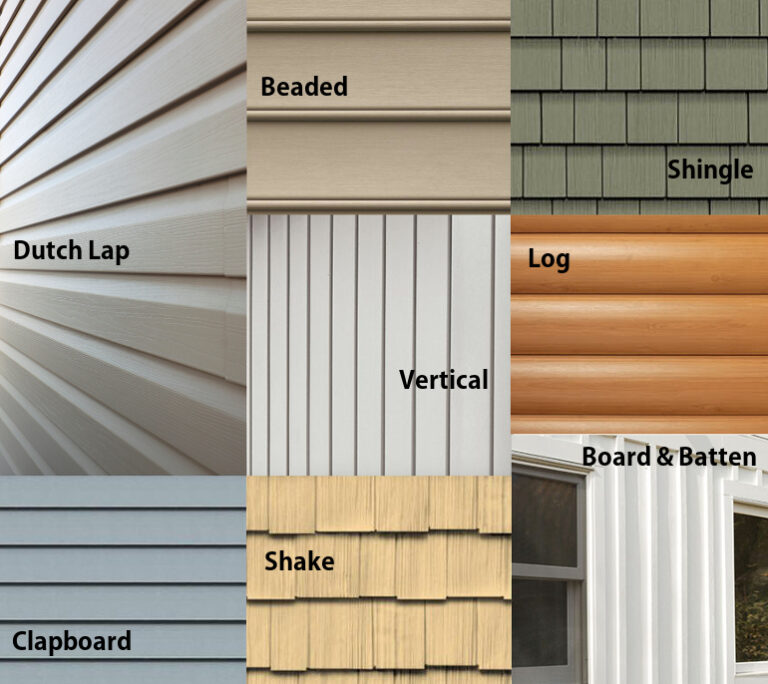
Siding Type | Average Lifespan | Maintenance Level | Notes |
|---|---|---|---|
Vinyl Siding | 20 to 60 years | Low | Cost effective; sensitive to heat and cold |
Wood Siding | 20 to 40 years | High | Great look; requires regular paint and sealing |
Aluminum Siding | 20 to 40 years | Low to Medium | Dents easily; less common in newer installs |
Fiber Cement | 50 to 100+ years | Low to Medium | Excellent durability; handles Ontario winters well |
Fiber cement is becoming increasingly popular in the Markham area, and for good reason. It handles Ontario’s temperature swings and freeze-thaw cycles better than vinyl in many cases, it resists fire, and it does not warp under direct sunlight the way vinyl can. Fiber cement siding systems often include trim pieces, such as planks, shingles, vertical panels, and soffit, which enhance both durability and aesthetic appeal. The upfront cost is higher, but the longevity often makes it a better long-term investment. | |||
Wood siding is beautiful but demands real commitment. It needs repainting every three to five years, regular sealing, and careful monitoring for rot and pests. Vinyl wins on low maintenance by comparison, which is why it became so popular in the first place.
Aluminum siding was once very common in older Markham homes, but it has largely been replaced by vinyl and fiber cement. If you have aluminum siding, it is worth having it assessed as it may be approaching the end of its lifespan even if it still looks okay from the street, and reviewing home improvement examples in Markham can give you a sense of what updated exteriors can look like.
Replacing Vinyl Siding: When to Repair vs. When to Replace
Not every problem means replacing the whole exterior. The decision really comes down to how widespread the damage is.
Repair makes sense when:
Damage is limited to a few panels
The rest of the siding is in good condition
The siding is under 25 years old
No signs of moisture infiltration behind the affected sections
Full replacement makes more sense when:
Extensive damage is visible from the street
Widespread fading, warping, or cracking across multiple walls
The siding is over 30 years old and showing several issues at once
Moisture has gotten into the structure behind the panels in multiple spots
A good contractor will walk around the home with you and give you a straight answer. Ask them to check the sheathing and insulation behind the panels while they’re doing the assessment — if those have been compromised, you want to know before new siding goes up over them.
How to Maximize the Lifespan of Your Vinyl Siding in Markham
Proper care can push a good vinyl install well past the 30-year mark. Many Markham homes have vinyl siding that is still performing well decades after it was put up, and the main reason is that someone took care of it along the way. Here is a practical checklist to help you do the same:
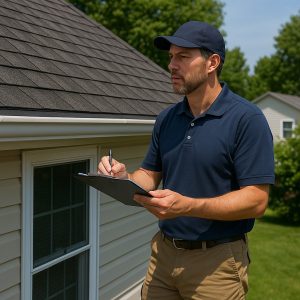
Annual maintenance checklist for vinyl siding:
Wash siding with a garden hose and mild detergent once or twice a year
Inspect the full exterior at least once annually, plus after any major storm
Fix minor issues right away — do not let small cracks or loose panels sit
Keep trees and shrubs trimmed back from the siding surface
Avoid using a pressure washer on a high setting
Keep gutters and downspouts clear so water drains away from the walls
Check for gaps around windows, doors, and corners annually
Look for pest activity signs during each inspection
None of this takes a lot of time. A Saturday afternoon once a year covers most of it, and it is a lot cheaper than an early re-side.
Talk to a Local Expert About Your Siding

Every home in Markham is a little different, and so is every siding install. General guidelines are a useful starting point, but Ontario’s climate adds complexity that no article can fully account for. If you are not sure whether your current vinyl siding is still doing its job, thinking about replacing vinyl siding on your home, or considering a switch to fiber cement or another siding type, a local contractor who knows the area is your best resource — especially if they can show you tools like a siding visualizer for your home so you can preview colours and styles before committing.
The team at Edmunds Home Improvements has been helping Markham homeowners with siding, roofing, and exterior renovations for over 30 years, including professional roof installation and maintenance services designed for local conditions.
Whether you need a quick inspection, a few panels replaced, or a full re-side, we will give you an honest assessment and a practical plan, backed by the kind of customer testimonials for Edmunds Home Improvements that reflect our focus on long-term relationships. No pressure, no upsell — just straight talk about what your home actually needs.
Reach out to us through our main contact page for Edmunds Home Improvements and we will be happy to take a look.

Steve Gibson
President & CEO, Edmunds Home Improvements
Steve Gibson has over 35 years of hands-on experience in home renovation across
Markham and the Greater Toronto Area. As President and CEO of Edmunds Home
Improvements — a company serving the community since 1947 — Steve specializes in
roofing installation and repair, siding, window replacement and installation, and
door installation. A longtime local resident, he took ownership of Edmunds in 1989
and has built the company into one of the GTA’s most trusted exterior renovation
contractors. Edmunds is fully insured (WSIB and $5 million public liability) and
is a BBB Accredited Business and ENERGY STAR partner.
- Roofing installation and repair
- Siding installation
- Window replacement and installation
- Door installation
- Eavestrough and soffit installation
- Exterior home renovation (Markham, ON and Greater Toronto Area)
3400 14th Ave, Unit #28,
Markham,
ON
L3R 0H7