
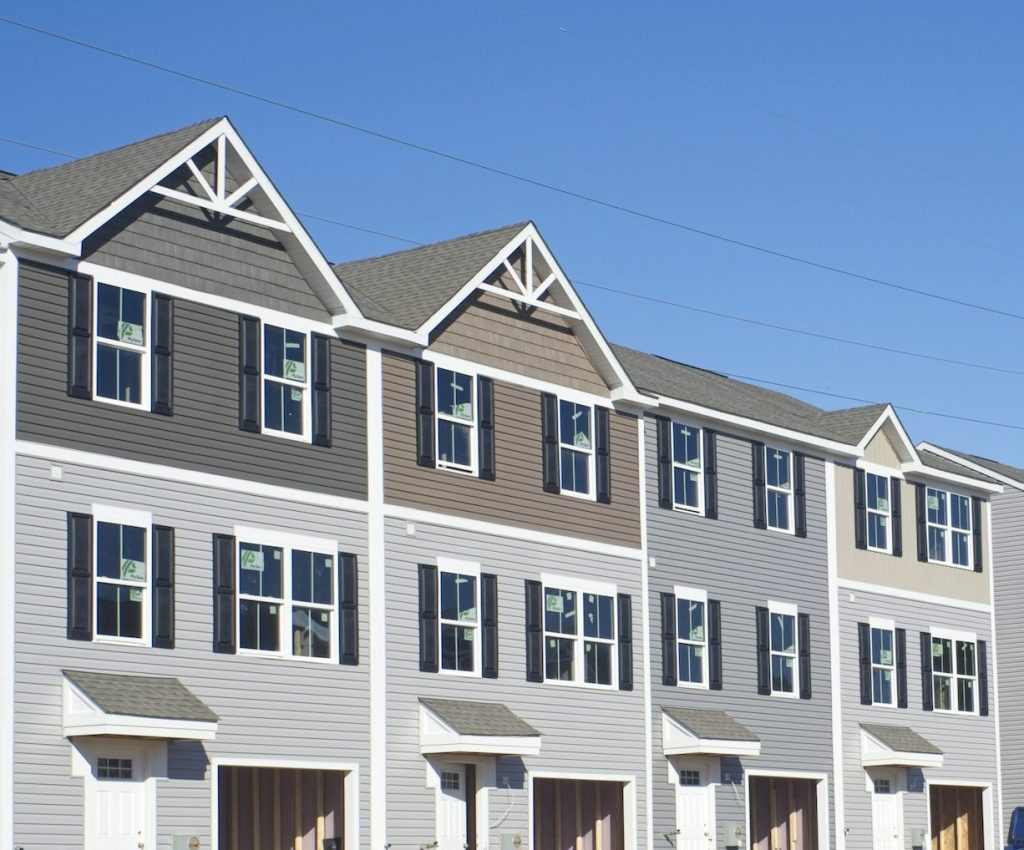
A lot of homes in Markham share a roof with at least one neighbour. If you are the property owner facing a shared roof issue then this article is written for you. Townhouses, semi-detached houses, and row houses are everywhere in this city, creating a strong sense of community among residents who share responsibilities for property maintenance.
But when something goes wrong with the roof overhead, things can get complicated in a hurry. Shared roof repairs aren’t just a question of hiring a contractor and getting started. There are neighbours to talk to, responsibilities to sort out, and sometimes some real money to figure out.
This article walks you through what you need to know: who’s actually responsible for shared roof repairs, how to approach the conversation with your neighbours, what the replacement process looks like from start to finish, and when it might be worth calling a lawyer. Whether your roof has a few years left or you’re already seeing water stains on the ceiling, the more you know going in, the easier all of this gets.
What Is a Shared Roof, Exactly?
A shared roof is a single roofing structure that covers two or more separately owned units. You see them all over Markham in townhouse complexes, semi-detached homes, and condominiums. The roof sits over multiple properties, but it functions as one building system. It doesn’t care about property lines when it starts to leak.
Replacing a shared roof means completely or partially renewing that roofing system on behalf of all the co-owners it covers. It’s considered a collective responsibility, not just a problem for whoever happens to notice the leak first. That framing matters a lot when it comes time to talk to your neighbours.
Who Is Responsible for Shared Roof Repairs?
The short answer is that it depends on your property type and what your governing documents say. In most cases, all owners who share the same roof are collectively responsible for any necessary repairs, which may include splitting the costs equally or according to their ownership stakes. The exact split comes down to ownership stakes, condo bylaws, or the terms of a lease agreement.
There are three main scenarios to know about.
Condominium Responsibility
If you live in a condominium, the condo board (also called the syndicate of co-owners) is legally responsible for maintaining shared common areas, including the roof, and must organize and supervise all repair and maintenance work. In Ontario, this is governed by the Condominium Act. The board organizes the work and funds it through the condo’s reserve fund or, when that isn’t enough, a special assessment that all owners contribute to equally. In winter, shared roofs also require attention to issues like ice dams on Markham roofs, which can quickly affect multiple units if they’re not handled properly.
Freehold and Semi-Detached Homes
If you own a semi-detached or freehold townhouse, each homeowner is typically responsible for their own side. But because the roof structure is continuous across both properties, coordinating a single job with one contractor almost always makes more sense, practically and financially. Doing it separately creates more problems than it solves (more on that below).
Tenant and Landlord Roles
If you’re a tenant in a building with a shared roof, the responsibility flows to the landlord. That said, if you’re noticing water damage or other signs of a roofing problem, document everything in writing and let your landlord know right away.
The first step in any shared roof situation is to pull out your governing documents: the condo declaration, purchase agreement, or lease. HOA bylaws will spell out ownership and responsibility clearly, and reviewing them before you talk to anyone else puts you in a much stronger position by helping you determine who is responsible.
Once you know where you stand, the next conversation is with your neighbors to discuss how you will pay for the repairs.

How to Talk to Your Neighbours About Roof Repairs
The best time to have this conversation is before there’s a crisis. Effective communication with neighbors about shared roof repairs is crucial, as it can help tailor discussions to the unique situation of both parties and potentially reduce resistance to cost-sharing.
Many Markham townhouse communities have active neighbourhood groups or shared email lists, which makes it easier to bring up maintenance topics without anyone feeling blindsided. If you already have a decent relationship with your neighbours, a roofing discussion is a lot less stressful than it sounds.
Preparing for the Conversation
Before you knock on anyone’s door, get a detailed quote from a reputable roofing contractor. Presenting a detailed quote from a professional roofing company in Canada helps clarify the costs and responsibilities involved, making the conversation more transparent. Showing up with actual numbers turns a vague and uncomfortable conversation into a concrete one. It also signals that you’ve done the legwork and you’re serious about getting this done properly.
Presenting a Quote
When you frame the conversation, keep mutual benefit front and centre. Please note that the following advice is informational and not a substitute for professional legal counsel. Your neighbour’s roof is your roof too, whether either of you likes it or not. A new roof means better insulation, fewer leaks, and a real boost to property value for everyone under it. If one side is starting to fail, the water won’t stay on one side of the property line for long.
For example, you might explain how both parties will benefit from a coordinated repair, and in this instance, a well-communicated plan can provide a long-lasting solution for all parties involved.
Handling Disagreements
If your neighbour is hesitant, find out why early. Cost is usually the main concern. Some neighbours are willing but tight on cash, and in those cases, a payment plan worked out directly with the contractor can be a real option. If a neighbor is reluctant to share costs, it is advisable to address this upfront and have a written agreement to prevent disputes after the work is completed.
Whatever you agree to, get it in writing before work begins. A simple letter that outlines who pays what and when protects everyone, including people who get along well and trust each other.
What If Your Neighbour Refuses to Cooperate?
If the conversation hasn’t moved things forward, you have a couple of options. You can consult legal counsel who handles property disputes in Ontario. Seeking appropriate legal counsel is especially important if you are considering formal actions such as sending a demand letter or pursuing litigation.
They can advise whether you have grounds to compel action, particularly if your neighbour’s roof condition is actively causing damage to your property or could result in further damage if left unresolved. This doesn’t mean going to court though. Often, a letter from legal counsel is enough to get things moving.
At this point, if your neighbour refuses to cooperate, you should not proceed with any work until you have clear legal guidance, especially in cases involving family members sharing a roof, as the legal obligations and liabilities may differ. As a last resort, it may be possible to replace only your side of the shared roof. It’s not the ideal path, but it’s worth understanding before you rule it out.
Can You Replace Just One Section of a Shared Roof?
Technically yes, but it’s not recommended. Replacing only one half of a shared roof (such as the section over your unit in a row house) creates a seam right at the property line, and that seam is very hard to make completely watertight. Even with careful flashing work, that joint is a vulnerability. It can and does lead to leaks down the road.
There’s also the matching problem. New asphalt shingles installed beside older shingles won’t look the same. Granules wear away over time and change the colour and texture of the surface. Even if you use the exact same product, they’ll look noticeably different side by side. For aesthetic reasons alone, a full shared roof replacement is a much better outcome.
Here’s the cost angle that often surprises people: a partial roof job can actually cost more per square foot than a full replacement. There’s extra labour involved in cutting and working around a property line, and there’s more complexity in the installation. New shingles should be installed using specialized methods at the property line to ensure a seamless merge between units, but even then, long term, a partial roof is also more likely to develop problems sooner. It can also void shingle warranties, which matters if you’re investing in a premium product and want to avoid risks like counterfeit shingles in Markham.
If at all possible, replace the full shared roof at the same time, with one contractor handling the whole structure. That’s the only way to guarantee a proper, watertight seam at the centre.
When Is the Best Time to Replace a Shared Roof?
Late winter and early spring, once temperatures are consistently above 5°C, can sometimes offer better contractor availability and more competitive pricing. Demand is lower then, and a good roofer will have more flexibility in their schedule. That said, spring and summer are generally the most reliable seasons for roof work because the weather cooperates and conditions are right for proper shingle installation and for planning around the average roof lifespan in Markham.
For a shared roof, timing has an extra layer of complexity because you’re coordinating with multiple households. Planning well ahead of time, rather than scrambling when something fails, gives everyone a chance to arrange funds, agree on a contractor, and prepare for the disruption. If the roof was last replaced several years ago, considering that timeline can help you anticipate when another replacement might be needed and avoid emergency situations. Emergency roof replacements are stressful in any situation. With a shared roof, they’re even harder to manage quickly, especially in neighbourhoods near lakes where unique climate conditions can also affect roof lifespan.
Signs Your Shared Roof Needs Attention
Inside the home, water stains on the ceiling are one of the clearest signs you’ve got a roofing problem. Moisture on interior walls, mould forming near the roofline, or a musty smell coming from the attic are all signals worth taking seriously. These things rarely fix themselves.
Interior signs:
Water stains on the ceiling
Moisture on interior walls
Mould forming near the roofline
Musty smell coming from the attic
Exterior signs:
Missing, cracked, or curling shingles
Granules building up in the eavestroughs (indicating shingles are shedding their protective coating)
Visible damage from ice storms, hail, or heavy wind events
If you’ve spotted any of these signs, the right move is to call a qualified roofer for an inspection before you approach your neighbours. That way, you’re coming to the conversation with facts, not just concerns, and you’ll be better prepared if you need to navigate something like hail damage roof repair.
What Does a Shared Roof Replacement Actually Involve?
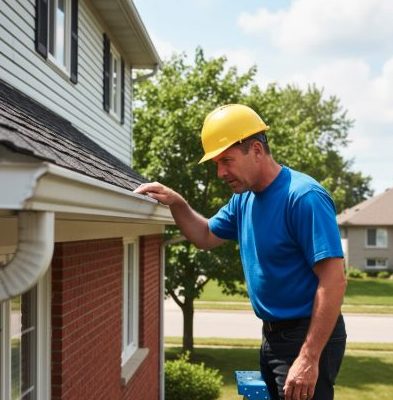
Once all owners are on board and a contractor is selected, the process follows a fairly consistent sequence. It is important to hire professional roof installation experts in Markham, as their expertise ensures the job is done safely and correctly. Reputable contractors generally follow standard steps for roofing replacements, including inspection, protection of property, and thorough cleanup. Here’s what to expect.
Inspection and Assessment
A good contractor starts by inspecting the full roof structure, not just the side with the obvious problem. They’ll look for leaks, cracked or missing shingles, rot in the decking, and any ventilation issues that could shorten the life of the new roof. With a shared roof, this inspection covers both or all sides so everyone has a clear picture of what needs to be done before any decisions are made.Protecting Your Property
Before tear-off begins, the crew puts down tarps and catch-alls to protect landscaping, walkways, windows, and anything close to the building. With a shared roof, this matters more because the work affects multiple households and properties at the same time. A crew that skips this step is a crew to be cautious about.Full Tear-Off to the Deck
All old roofing material comes off, right down to the roof deck. There’s no shortcut here for a proper replacement. Once the deck is exposed, the contractor checks for rot and soft spots and repairs them as needed. Skipping this step and laying new shingles over bad decking is a common mistake on budget jobs, and it leads to bigger problems down the road.Protective Layers and New Shingles
This is where the real protection gets built in. Drip edges go on first, then ice and water shield along the eaves and in valleys. In Ontario, where we deal with real freeze-thaw cycles and ice damming, this layer is non-negotiable. Synthetic felt underlayment goes on next, and then the new shingles are installed, and some homeowners even explore innovative residential roofing technologies to boost efficiency and durability.At the property line, the contractor uses specialized techniques to create a seamless merge between the units. This is the most technically sensitive part of the job and the main reason why using a single contractor for the whole structure matters so much. Two different crews working from opposite sides, even with the best intentions, will have a harder time creating a watertight centre seam.
Cleanup
Once everything is installed, a reputable contractor does a thorough cleanup, including sweeping for nails and hauling away all debris. The goal of the whole job is to restore the roof’s waterproofing, insulation, and long-term durability for everyone under it.
What Is the Most Expensive Part of Replacing a Roof?
Labour is typically the biggest cost, often making up 60% or more of the total project price. That’s actually one of the genuine financial benefits of doing a shared roof all at once. When the labour cost is spread across multiple units and each person contributes their share, every person benefits by paying considerably less than they would for an independent replacement.
Material costs, primarily the shingles and protective underlayment, are the second major expense. Premium asphalt shingles with longer warranties cost more upfront, but they tend to perform better over the life of the roof and protect your investment more reliably. If the decking turns out to need significant repair, that will add to the total as well, though it’s far better to catch it now than after the new shingles are already down, which is why thorough roofing repair and inspection services in Markham matter.
Getting two or three quotes from reputable contractors and comparing them carefully is the best way to manage costs. Don’t choose based on price alone.
Will Insurance Cover a 20-Year-Old Shared Roof in Ontario?
It depends on what caused the damage. In Ontario, home insurance typically covers sudden and accidental damage, like a tree falling on the roof during a storm. It generally does not cover repairs or replacement due to age, normal wear and tear, or deferred maintenance.
A roof that’s 20 years old and failing from regular aging is unlikely to get a full insurance payout. If that same roof suffers storm damage on top of its age, your insurer may cover the storm-related portion, but the rest comes down to policy specifics. It’s also worth knowing that some Ontario insurers have started refusing to renew policies, or adding exclusions, for roofs that are more than 20 years old. This is something worth checking with your broker before a problem forces the conversation.
For a shared roof, each owner’s policy applies to their unit separately. If a claim is needed, each homeowner files independently. Talking to your insurance broker before the roof fails is always a smart move, and having a recent inspection report on hand makes that conversation a lot easier.

A Few Final Points Before You Get Started
Replacing a shared roof in Markham comes down to a few main points: know your legal responsibility, talk to your neighbours early and openly, choose one contractor for the entire structure, and get everything in writing before work begins. None of this has to be a conflict. Most neighbours, when they understand what’s at stake and see a fair plan in front of them, want the same outcome you do.
If you’re not sure where things stand with your roof, an inspection is the right first step. It gives you real information to work with and takes the guesswork out of the conversation with your neighbours. You can also connect with Edmunds Home Improvements for siding and roofing in Markham for advice or quotes, making it easy to get expert guidance without any hassle.
Talk to Edmunds Home Improvements

If you’re dealing with a shared roof situation in Markham, whether you need a repair, a full replacement, or just an inspection to figure out where things stand, reach out to the team at Edmunds Home Improvements. We’ve helped homeowners across the region navigate exactly this kind of project, and we know how to work with multiple owners to get the job done right.
Contact Edmunds today to book your inspection or get a quote. We’re here to make the process straightforward, for you and your neighbours.