
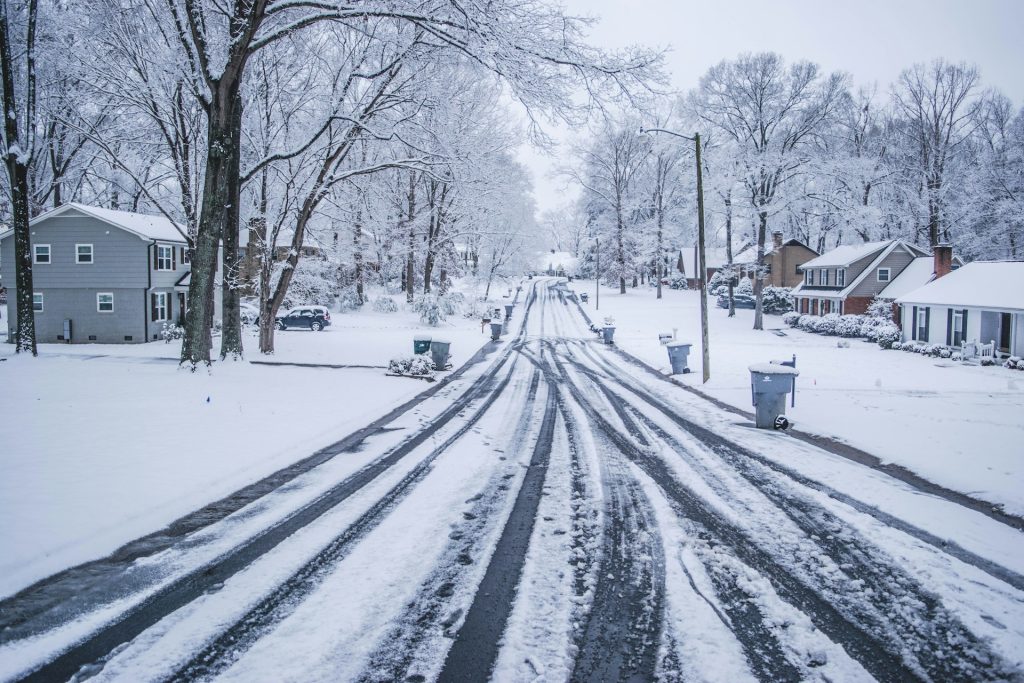
When considering how to prepare your home for the winter, start at the top and work down: inspect and repair the roof, clear the gutters, shut off outdoor water taps, seal drafts around windows and doors, insulate exposed pipes, service the furnace, and test smoke and carbon monoxide alarms. For homeowners in Markham and similar cold-weather areas, that short fall checklist helps prevent roof leaks, burst pipes, heat loss, and expensive emergency repairs during the harsh winter months.
Most winter damage in York Region doesn’t come from one big storm. It comes from the freeze-thaw cycle, and from snow, dirt, and salt tracked indoors that can wreak havoc on entryway floors, baseboards, and doors. This guide is for homeowners in Markham and similar cold-weather regions who want to prevent winter damage and costly repairs.
Temperatures swing above and below zero again and again, so water gets into small gaps, freezes, expands, and makes those gaps bigger. In over 30 years of fixing roofs in Markham, I’ve found that a few hours of fall prep stops most of it and significantly extends how long a roof lasts in Markham. That’s what you’ll find here: the key jobs to handle before the cold sets in, from roof and gutter work to water shutoffs, pipe insulation, sealing drafts, furnace and water heater maintenance, smoke and carbon monoxide checks, outdoor prep, and basic emergency supplies.
When Should You Start Getting Your House Ready for Winter?

In Markham, aim to finish your winter prep by early to mid November, before overnight lows settle below zero for good.
The GTA often gets its first frost advisories in October, so don’t wait for snow to remind you. Treat this as part of your fall home maintenance checklist. Caulking and outdoor checks go much better on dry days, and most exterior caulks list a minimum temperature on the tube, often around 5°C.
Plan your leaf cleanup around the city schedule too. Markham picks up leaf and yard material every other week, and in 2026 curbside pickup ran until October 30. Check the city’s collection calendar for your street, and use kraft paper bags, since the city won’t take plastic.
Start at the Top: Get Your Roof Ready for Snow
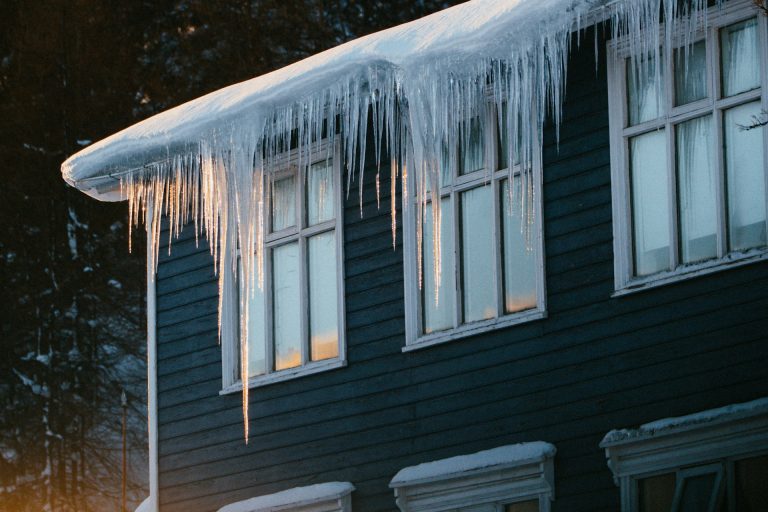
Your roof deals with a lot in the winter months. It carries the weight of heavy snowfall, sits through repeated freeze-thaw swings, and catches wind-driven snow that can blow under any shingle that’s already lifting, so timely roofing repair for Markham homes is essential to stay ahead of damage.
Please don’t climb onto your roof to inspect it. Every year someone in the GTA gets hurt doing it. Binoculars from the driveway will show you most of it, and anything closer is a job for a roofer.
Look for Loose Shingles and Worn Flashing
Walk around the house and look for:
Curled, cracked, or missing shingles
Shingle granules collecting at the bottom of your downspouts
Metal flashing around the chimney or vents that’s lifting or rusted
Sagging sections of eavestrough
Damaged shingles or flashing can let meltwater in during a thaw. When that water refreezes overnight, it can push the opening wider and let in more the next time. That is how a small fix turns into costly repairs to your decking and ceiling, especially after storm events that can cause hail damage roof repair in Markham to become urgent. If you spot loose shingles now, roof repairs in the fall cost far less. Our emergency roof repair page explains what to do if something gives out mid-winter.
How Do You Stop Ice Dams Before They Start?
An ice dam is a ridge of ice that forms at the edge of a roof that prevents melting snow from draining off the roof. Proper insulation prevents ice dams on roofs and keeps warm air inside during winter.
You stop ice dams by limiting the heat that leaks into your attic, so snow on the roof doesn’t melt unevenly and refreeze at the edge.
Heat from your living space leaks into the attic and warms the wood deck above. Snow higher up melts and runs down to the overhang, which sits over the cold outside air. The water freezes there into a ridge of ice, and more meltwater backs up behind it and under the shingles. That’s when you see water stains and moisture on bedroom ceilings in February.
Clean gutters help, but the real fix is in the attic: sealing gaps where house air escapes upward, adding insulation where it’s thin, and making sure the attic is properly vented. A properly installed shingle roof also has an ice and water membrane along the eaves as a backup, so quality roof installation in Markham makes a big difference to winter performance. If ice dams come back every year, have someone assess the attic and roof together rather than just chipping them away. You can read more in our guides on ice dams on your roof and how attic ventilation works.
Clear Your Gutters and Downspouts

Clean your gutters after most of the leaves have dropped, which in Markham is usually late October into early November.
Clogged eavestroughs (the Ontario word for gutters) hold water that freezes and adds to ice buildup at the edge of the shingles. They also overflow during a thaw and dump water right beside your home’s foundation, where it can seep into the basement, so cleaning gutters helps prevent basement flooding and ice dams. Keeping them clear also helps prevent water from backing up where you don’t want it.
When you’re cleaning gutters, remove leaves and other debris by hand, then run a hose through each downspout to check that it can drain freely. Aim to point every downspout about two metres, or 3 to 4 feet, away from the house, since good outdoor drainage keeps water away from foundations, helps prevent ice buildup, and helps prevent basement leaks. If your gutters are pulling away from the fascia or leaking at the seams, it may be time to look at new gutters. Rotting soffit and fascia behind them is a bigger problem.
Protect Your Pipes From Freezing
Frozen pipes cause some of the worst water damage I’ve seen in Markham homes, and because frozen plumbing can burst and cause catastrophic water damage, repairs and damages can run from about $5,000 to much more in severe cases, so preparing your home for the winter season helps prevent costly emergency repairs.
The Insurance Bureau of Canada says standard home policies usually cover a burst pipe in the heated part of your home, as long as you took reasonable steps to keep the heat on. It also notes that most policies exclude frozen pipes if the home is vacant. Policies also differ on what counts as vacant and how often someone needs to check the house, so read your own policy and call your insurer before a long winter trip.
Shut Off and Drain Your Outdoor Taps
Outdoor faucets (also called hose bibs or outdoor spigots) are among the pipes most likely to freeze. Here’s how to winterize them:
Disconnect your garden hoses, drain water out of them, and store them inside.
Find the indoor shutoff valve for each outdoor tap. It’s usually in the basement near the wall the tap is on.
Close that valve.
Go outside and open the tap to drain any remaining water.
Frost-free hose bibs still need the hose taken off, because an attached hose traps water inside the valve.
Should You Leave Outdoor Faucets Open When Winterizing?
Yes, once the indoor valve is closed, leave the outdoor tap open for the winter. That lets trapped water drain out and gives any last bit of water room to expand without cracking the pipe.
Insulate Pipes in Unheated Areas
Look for exposed pipes in the garage, crawl spaces, and along exterior walls, and insulate them in unheated areas to prevent freezing and bursting. Pay special attention to unheated basements, since 37% of burst pipes occur there. Basic pipe insulation can cost as little as 50 cents per linear foot, and foam pipe sleeves from any hardware store slip right on. Frozen pipes usually start in these spots, so give unheated basements special attention before the first deep freeze. On very cold nights, open the cabinet doors under sinks on outside walls so warm air can reach the plumbing and help prevent pipes from freezing.
What's the Coldest You Should Let Your House Get in Winter?
A good rule of thumb is to keep your house at 15°C or higher, even when you’re away, and to check whether your insurance policy sets its own minimum.
Advice varies. The City of Winnipeg says no lower than 12°C at night or when you’re out, and Chubb Insurance suggests 18°C or higher once it’s below zero outside. The right setting depends on where your pipes run and how well that part of the house is insulated, and 15°C still keeps heating bills down. Pipes in garages and exterior walls can still freeze when the rest of the house is warm, which is why the insulation step above matters.
Seal Air Leaks Around Windows and Doors

Sealing drafts is the cheapest upgrade you can make before winter. Hydro One says air leaks make up 25 to 40 per cent of the heat a typical home loses in winter, and that weatherproofing windows and doors reduces drafts and improves energy efficiency with good caulking, weatherstripping, and insulating.
Check for Drafts
To check windows for drafts, wait for a windy day and run a damp hand around the frames, or hold a lit stick of incense nearby and watch the smoke. If it wavers or blows sideways, cold air is getting in. Keep incense away from curtains, and skip it if anyone in the house is sensitive to smoke.
Seal Gaps and Replace Weatherstripping
Then seal drafts around windows and doors to stop cold air infiltration and help prevent issues:
Re-caulk gaps around windows and doors on the outside of the house
Replace weatherstripping that’s cracked or flattened, since worn weatherstripping increases heating load
Add door sweeps to exterior doors, including the one to the garage
Address Window and Door Damage
Some problems go past weatherstripping. Fog between the panes means the seal on the glass unit has failed, while soft or rotting frames point to bigger damage. Windows can be replaced in cold weather, but ask your installer how they’ll protect the opening during the work. We cover that in why winter is the best time to install windows and doors. A storm door is another easy way to block drafts at the front entry, and pairing it with professional siding installation in Markham can further improve comfort and curb appeal.
What Is the Cheapest Way to Keep Your House Warm in Winter?
The cheapest way to stay warm is to seal air leaks first, since a tube of caulk is a tiny cost next to the heat escaping through the gaps.
After that, a programmable thermostat lowers the heat while you sleep or work. If you use space heaters, keep them at least a metre from curtains and furniture, and plug them straight into the wall. Never run one on an extension cord.
Get Your Furnace and Water Heater Checked
Book a furnace tune-up in October, before you need the heat and before every HVAC company’s calendar fills up. Change the filter now and check it every month through the colder months.
While you’re downstairs, look at your water heater. Rust at the base or water on the floor means it needs repairs before you’re stuck with cold showers in January. Regular maintenance on your heating systems catches worn parts while you still have time to fix them.
Test Smoke and Carbon Monoxide Detectors
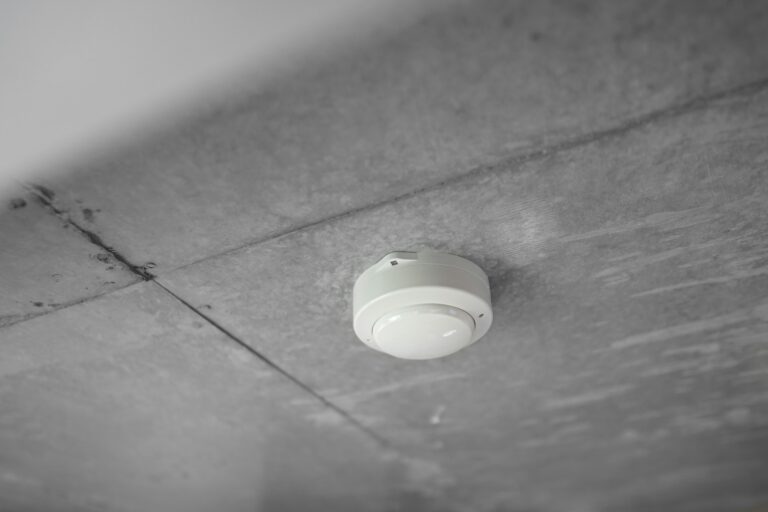
Ontario changed its rules this year, so check your carbon monoxide detectors even if you tested them last fall.
Since January 1, 2026, the Ontario Fire Code requires a CO alarm on every storey of your home, plus one next to each sleeping area. This applies if you have a gas furnace, a gas water heater, a fireplace, or an attached garage, which describes most houses in Markham. According to the TSSA, more than 65 per cent of CO injuries and deaths in Ontario happen at home.
Press the test button on every alarm, replace batteries, and swap out any unit past the expiry date on the back. Smoke detectors are required on every storey and outside sleeping areas. If you use a wood fireplace, have the chimney swept before the first fire of the season.
Prepare the Outside of Your House
A few outdoor jobs protect your yard and prevent damage you’d otherwise find in the spring:
Store Outdoor Furniture
Store outdoor furniture to help extend its lifespan during winter
Cover the BBQ after disconnecting and capping the gas line; keep the propane tank upright outdoors and away from the house
Trim Overhanging Branches
- Trim branches that hang over the house, since ice-loaded limbs can snap and land on shingles
Touch Up Paint and Decks
- Touch up peeling paint and seal deck boards while it’s still warm enough for the product (check the label), before moisture gets into bare wood
Lawn and Yard Prep
- Give the lawn a final cut and rake off matted leaves
Snow Removal Readiness
Have snow shovels and ice melt ready before the first storm
A little organization now keeps seasonal outdoor items in good shape through winter.
Once the snow comes, keep it clear of your gas meter, furnace vents, and basement windows. The Insurance Bureau of Canada lists this as a top winter tip, because a blocked vent can push carbon monoxide back into the house.
What Should You Stock Up On Before Winter?
Stocking emergency supplies is crucial for winter storm preparedness, so keep enough food, water, and basic supplies for winter on hand to get your household through 72 hours without power.
Markham residents who were here for the December 2013 ice storm remember how long some streets went without power. Power outages tend to hit during the worst weather. If an outage drags on, a portable generator can keep lights and essential electronic devices running. Keep the kit in one spot the whole family knows about, along with a battery radio and a charged power bank.
How Long Does It Take to Winterize a Home?

Most homeowners can get through this list in one weekend, since the outdoor taps, caulking, and alarm checks each take an hour or two. Roof and eavestrough repairs aren’t a good DIY project if they mean a ladder in cold, wet weather, and getting expert advice on roof lifespan in Markham’s lake-effect climate can help you decide when repair or replacement makes sense. Hand that part to a pro and spend your weekend on the rest.
Your Markham Winter Home Maintenance Checklist
Outside
Check the roof from the ground for lifted shingles and flashing
Clean gutters and downspouts after the leaves drop
Point downspouts two metres away from the foundation
Disconnect hoses and drain the outdoor taps
Trim branches that hang over the house
Keep snow clear of the gas meter and vents all winter
Store outdoor furniture and cover BBQ
Touch up paint and seal deck boards
Give the lawn a final cut and rake leaves
Have snow shovels and ice melt ready
Inside
Check attic insulation and make sure vents aren’t blocked
Close the indoor shutoff valves for outdoor taps
Wrap pipes in the garage and crawl spaces
Seal drafts at windows and doors
Book a furnace tune-up and change the filter
Test smoke and CO alarms on every storey
Build a 72-hour emergency kit
Need a Hand Before the Snow Flies?
If you spotted something that worries you, give us a call. Edmunds Home Improvements has been helping Markham families protect their homes since 1947, and we’re happy to look at your roof, eavestroughs, or windows and give you an honest answer. Small repairs now save you from bigger ones in March.
Call us at 905-472-0276, visit our showroom at 3400 14th Ave, Unit 28, or reach out through edmundshomeimprovements.com for a free assessment.

Steve Gibson
President & CEO, Edmunds Home Improvements
Steve Gibson has over 35 years of hands-on experience in home renovation across
Markham and the Greater Toronto Area. As President and CEO of Edmunds Home
Improvements — a company serving the community since 1947 — Steve specializes in
roofing installation and repair, siding, window replacement and installation, and
door installation. A longtime local resident, he took ownership of Edmunds in 1989
and has built the company into one of the GTA’s most trusted exterior renovation
contractors. Edmunds is fully insured (WSIB and $5 million public liability) and
is a BBB Accredited Business and ENERGY STAR partner.
- Roofing installation and repair
- Siding installation
- Window replacement and installation
- Door installation
- Eavestrough and soffit installation
- Exterior home renovation (Markham, ON and Greater Toronto Area)
3400 14th Ave, Unit #28,
Markham,
ON
L3R 0H7