
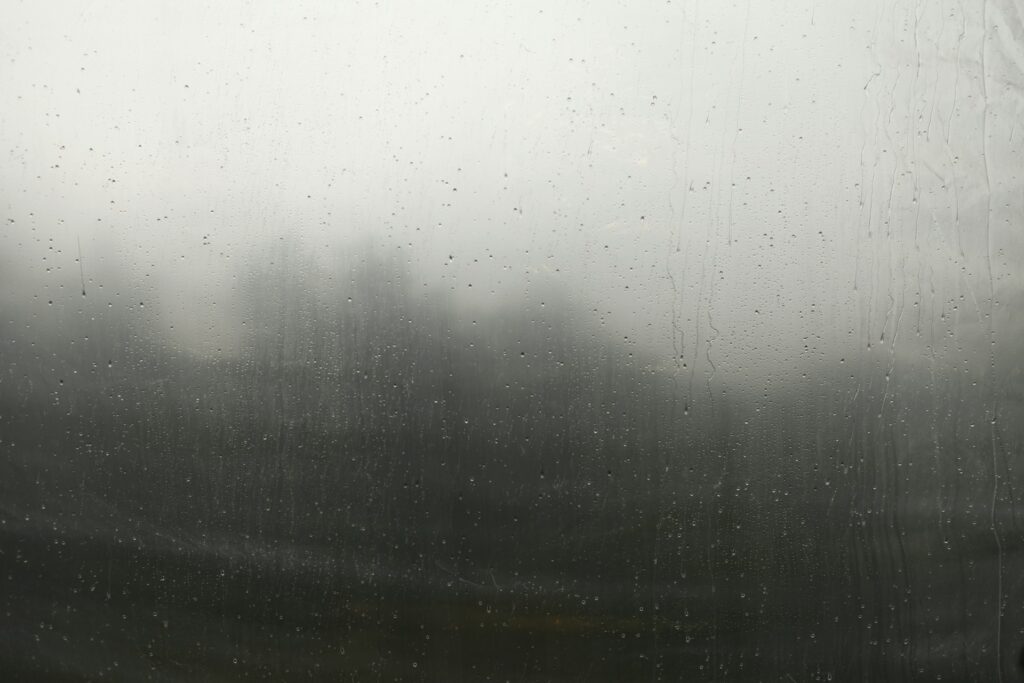
You wake up on a cold January morning, pour your coffee, and walk past the living room windows. The windows are covered in fog, and water droplets are running down onto the sill. If you live in Markham, this is a familiar scene from about November through March.
Our team at Edmunds Home Improvements has been working on Markham homes for over 30 years and window condensation is a common issue homeowners ask us about during winter. The short answer is that condensation is usually a humidity problem, not a problem with the windows themselves. Moisture in the air inside your home is landing on the coldest surfaces it can find, and those surfaces are almost always your windows.
This article is for Markham homeowners worried about repeated window condensation in their homes and how it might cause damage or other issues. It covers what causes condensation on windows, when you should worry about it, and how to stop condensation for good.
What Causes Window Condensation?
Condensation forms when warm air meets a cooler surface. Window condensation occurs when warm, moist indoor air comes into contact with a cooler surface like your window glass. The temperature difference between higher temperatures inside your home and the cold outside causes moisture in the air to condense into water droplets on the glass. It works the same way a cold drink collects drops on the outside during summer.
This happens most often in winter because the gap between indoor and outdoor temperatures is at its widest. In Markham, where overnight temperatures regularly drop below -15°C, that temperature difference can be extreme. The colder the glass gets, the more condensation you will see.
The Role of Humidity and Dew Point
Relative humidity measures how much moisture the air is holding compared to how much it can hold at a given temperature. When warm air contacts cold window glass, it cools past its dew point and releases that moisture as condensation on the glass.
For most homes, indoor humidity levels should sit between 30% and 50%. During winter in Markham, aim for 30% to 35% relative humidity. You can pick up an inexpensive hygrometer at any hardware store to monitor humidity levels and maintain the right balance.
Why Markham Homes Are at Higher Risk
Markham and York Region sit between Lake Ontario and Lake Simcoe. That proximity to two large bodies of water adds moisture in the air year-round, causing condensation more frequently than in other parts of the province. Our freeze-thaw cycling is among the most extreme in Ontario. Temperatures swing from well below zero to above freezing within days, keeping humidity levels shifting and creating conditions where condensation is more likely.
Newer subdivisions in Cornell, Berczy Village, and Cathedraltown are built as tightly sealed homes for energy efficiency. These homes are great at keeping warm air in, but they also trap moisture inside. Without proper mechanical ventilation, that warm, moist air has nowhere to go except onto cold surfaces like your window glass. High indoor humidity in tightly sealed homes can cause persistent condensation if ventilation is not addressed.
Should I Be Worried About Condensation on Windows?
Occasional condensation on the inside of your windows is common and usually not a sign of a serious problem. The key is where you notice condensation forming.
Condensation on the inside surfaces of your windows means indoor humidity is too high. This is manageable with the steps outlined later. Condensation on the outside of your windows is actually a sign that your windows are well insulated. It is just dew, and it disappears when the sun comes out.
Condensation Between Glass Panes
Condensation between the panes of your windows is the one you should worry about. If condensation inside windows is left untreated, it can lead to mold growth on window frames, peeling paint, and damage to surrounding drywall. Excessive condensation can cause real problems if you ignore it.
Condensation Between Double or Triple-pane Glass Windows
If you notice condensation or fog trapped between two panes in a double- or triple-pane window, the seal has failed. This is the one type of condensation that points to a problem with the windows themselves.
When the seal breaks, the insulating gas layer (usually argon) escapes. That compromises the window’s energy efficiency and causes more heat loss. Older windows are more likely to lose their seal over time, and they cannot be resealed. Condensation between panes requires window repair or replacement.
In some cases, just the sealed unit can be replaced. Our team at Edmunds can assess your windows and let you know whether new windows or a unit swap makes more sense.
Does Condensation on Windows Mean the House Is Too Cold?
No, condensation on your windows does not mean your house is too cold. It usually means the opposite. Your home is warm and holds moisture well, but the indoor air is hitting cold window glass and releasing that moisture as condensation.
The real issue is high humidity, not low temperatures. A warm home with high humidity and poor ventilation will have more condensation than a cooler, drier one. In colder months, the temperature gap between inside and outside is larger, which increases the chance of condensation forming. Cold weather outside and warm indoor air create ideal conditions.
How Do You Stop Condensation on Windows?
Reduce the amount of excess moisture in your home and improve ventilation. Those two steps will stop condensation on your windows more than anything else. Financing your home renovations can also make it easier to invest in upgrades that improve comfort and efficiency. Here is what we recommend to Markham homeowners looking to prevent condensation on their windows and doors.
Use Exhaust Fans in Kitchens and Bathrooms
Run your exhaust fans every time you cook or shower. These are the biggest sources of excess moisture and humidity in your home, causing condensation on nearby windows. Leave the bathroom fan running for 15 to 20 minutes after a shower to clear out the humid air.
If your range hood vents outside, use it while cooking. Markham homeowners with open-concept kitchens should be mindful that moisture spreads through the house faster without walls to contain it. Exhaust fans are one of the simplest ways to reduce humidity and help prevent condensation.
Open Your Curtains and Blinds During the Day
Keeping curtains closed traps cold air against the windows, creating colder surfaces for condensation to form on. Open them during the day to promote air circulation and let heated air reach the windows. This simple step can minimize condensation significantly.
Air movement across the windows keeps their surface temperatures closer to room temperature. Even leaving a small gap between your curtains and the windows helps reduce condensation.
Use a Dehumidifier
If your home’s humidity consistently runs above 50%, a portable dehumidifier can bring it into the ideal range. They are especially useful in basements and laundry rooms where moisture buildup is common and high humidity is harder to control.
Use a hygrometer to maintain the right humidity levels so you are not running the dehumidifier more than needed. Keep your relative humidity between 30% and 50% during the winter months to prevent moisture buildup.
Check Your Attic Ventilation

Poor attic ventilation traps moist air in the top of the house, causing condensation on upper-floor windows and sometimes contributing to ice dams on your roof. This is one of the most overlooked causes of persistent window condensation.
Proper soffit and ridge venting allows air to flow through the attic and carry moisture out. If your crawl space or attic feels damp in winter, that is worth fixing. Our team handles attic ventilation, soffit, and fascia work across Markham.
Upgrade to Energy Efficient Windows
Double- or triple-pane energy efficient windows with low-E coatings and argon gas fill reduce the temperature difference between the inner glass surface and the room air. That means less condensation. Single-pane windows are far more prone to condensation because the glass reaches much lower temperatures in cold climates.
If your home still has old windows or units with failed seals, upgrading to energy efficient new windows can prevent condensation and improve energy efficiency. The extra layer of insulation keeps the inner glass warmer. Edmunds installs windows and doors for homes across Markham, and winter is often the best time to schedule window and door installation.
Condensation on the Outside of Your Windows
Condensation on the outside of your windows is nothing to worry about. It is just dew forming on the outside pane when temperatures drop below the dew point. You will typically notice condensation on the outside during cool mornings in spring and fall, when overnight temperatures drop but daytime weather turns mild.
This actually means your windows are doing their job. The outside pane stays cool because the insulation prevents warm indoor air from reaching the glass. That is a sign of good energy efficiency.
When to Call a Professional
There are three situations where you should call a contractor:
-
If you see condensation between the panes of your windows. That is a seal failure, and the windows will need repair or replacement.
-
If you have persistent condensation despite following all the tips above. That could indicate a ventilation or insulation issue.
-
If you notice mold growth around your windows or on surrounding walls. Left untreated, mold can spread and create health concerns.
The Edmunds team can inspect your windows, check your attic ventilation, and assess insulation to find the source. We can help you stop condensation problems before they cause damage to your windows or surrounding walls.
Keep Your Markham Home Comfortable Year-Round
Window condensation is almost always a humidity issue, not a defect in your windows. Reduce indoor moisture, maintain proper ventilation, and keep air moving across your windows. If condensation shows up between your panes, or if the problem persists, it is time to bring in a professional to help you prevent condensation for good.
At Edmunds Home Improvements, we help Markham homeowners with window replacement, roofing, siding, and doors. If condensation on your windows is a concern, give us a call or stop by our showroom at 3400 14th Ave in Markham. We can help you stop condensation and maintain comfortable indoor humidity levels year-round.
Contact Edmunds Home Improvements for a free assessment.

Steve Gibson
President & CEO, Edmunds Home Improvements
Steve Gibson has over 35 years of hands-on experience in home renovation across
Markham and the Greater Toronto Area. As President and CEO of Edmunds Home
Improvements — a company serving the community since 1947 — Steve specializes in
roofing installation and repair, siding, window replacement and installation, and
door installation. A longtime local resident, he took ownership of Edmunds in 1989
and has built the company into one of the GTA’s most trusted exterior renovation
contractors. Edmunds is fully insured (WSIB and $5 million public liability) and
is a BBB Accredited Business and ENERGY STAR partner.